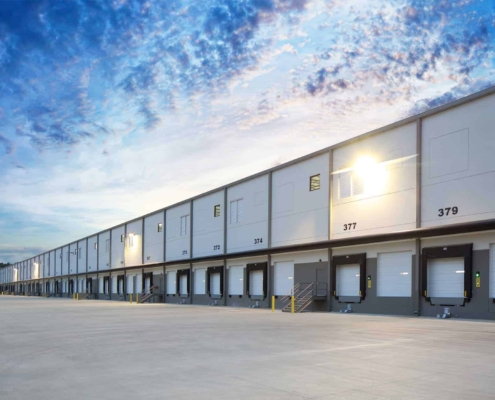
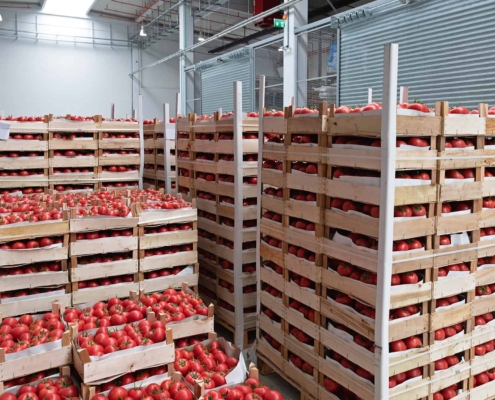
Cold storage logistics adds a layer of planning complexity that dry food distribution does not face. Product must stay within defined temperature ranges from intake through final delivery. Any gap in that chain, whether at the dock, in staging, or during loading, creates both a product risk and a documentation risk.
Reactive cold chain management responds to temperature events after they occur. That approach creates problems in two directions: it generates compliance exposure when records show deviations without documented corrective actions, and it limits flexibility when shipments need to move on short notice. If a warehouse cannot confirm continuous temperature integrity with clean records, carriers and buyers have less confidence in the product’s condition, and export windows narrow.
Proactive cold chain planning, by contrast, means real-time environmental monitoring, pre-cooled trailers, staged loads aligned with dock windows, and complete temperature documentation from storage through release. That kind of operational discipline keeps product distribution-ready rather than inspection-pending.