What You Need To Know About Ambient Storage
Food products require special handling throughout the entire supply chain. Luckily, ambient storage warehouses are an effective way to keep your perishables safe.
Your food products require special handling throughout the entire supply chain. Combine this with the complexities of local legislation and regulatory compliance, and the situation can become even more confusing.
Fortunately, ambient storage warehouses can help you navigate these logistical hurdles.
What Does Ambient Temperature Mean?
If you've ever looked into cold chain storage, you've probably heard the term "ambient temperature"—but what actually is it?
Opposed to room temperature, which is a range of air temperatures that most people prefer in indoor settings, ambient temperature is the climate in a particular place as measured by a thermometer.
In cold chain logistics, ambient storage refers to maintaining a temperature between 59 and 77 degrees Fahrenheit. These temperatures fall within the range of comfortable room climates rather than extreme temperatures.
What Does Ambient Storage Mean?
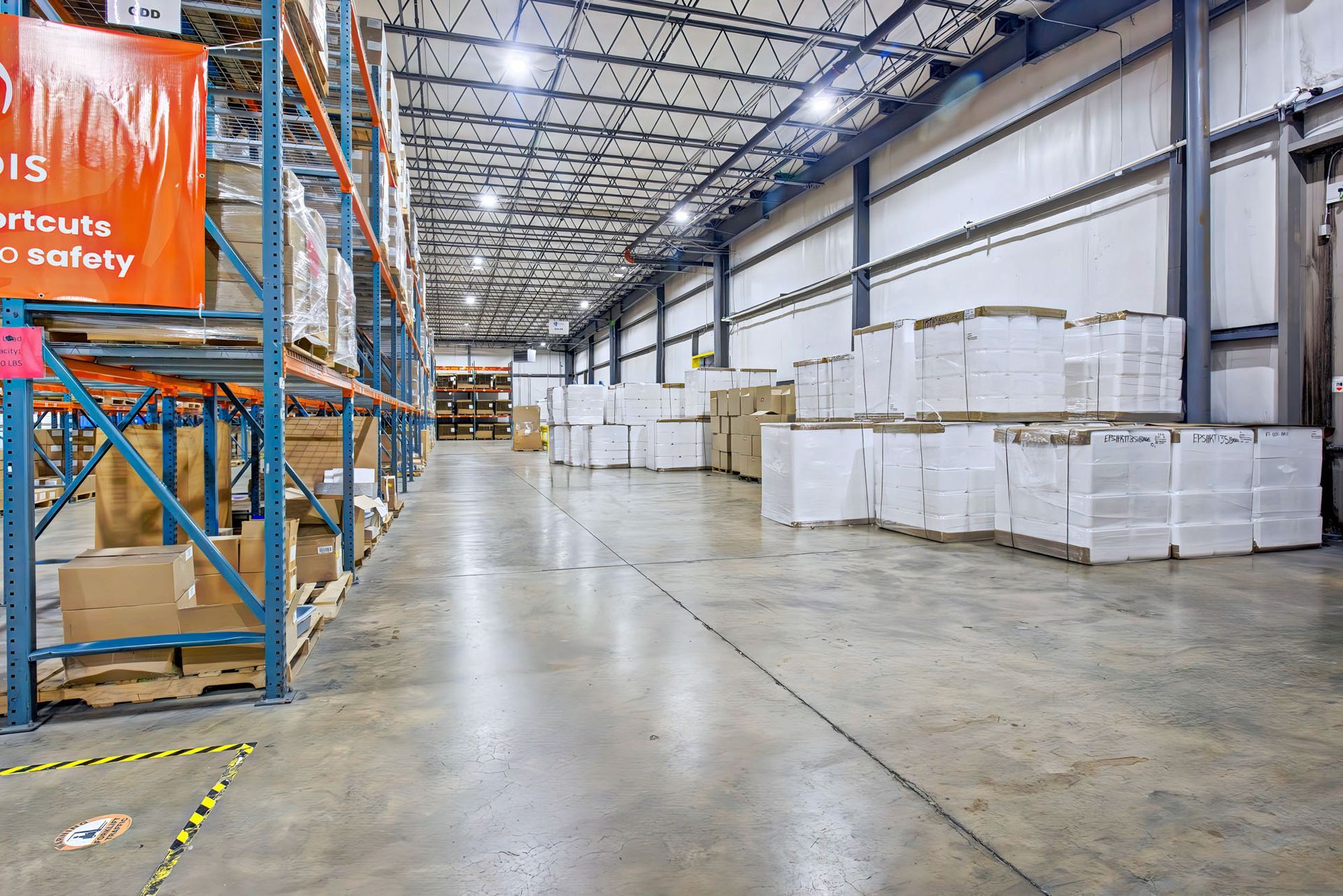
Ambient storage warehouses are defined as "buildings that are specifically designed for items that require a dry environment, where the temperature needs to be around room temperature."
However, this isn't to say that these ambient storage warehouses don't require industrial HVAC. Instead, it means the warehouse's internal temperature needs to be around 60 degrees year-round.
With this in mind, many ambient warehouse owners install temperature-control systems to ensure the indoor air stays dry and moisture-free.
Types of Products That Need Ambient Storage
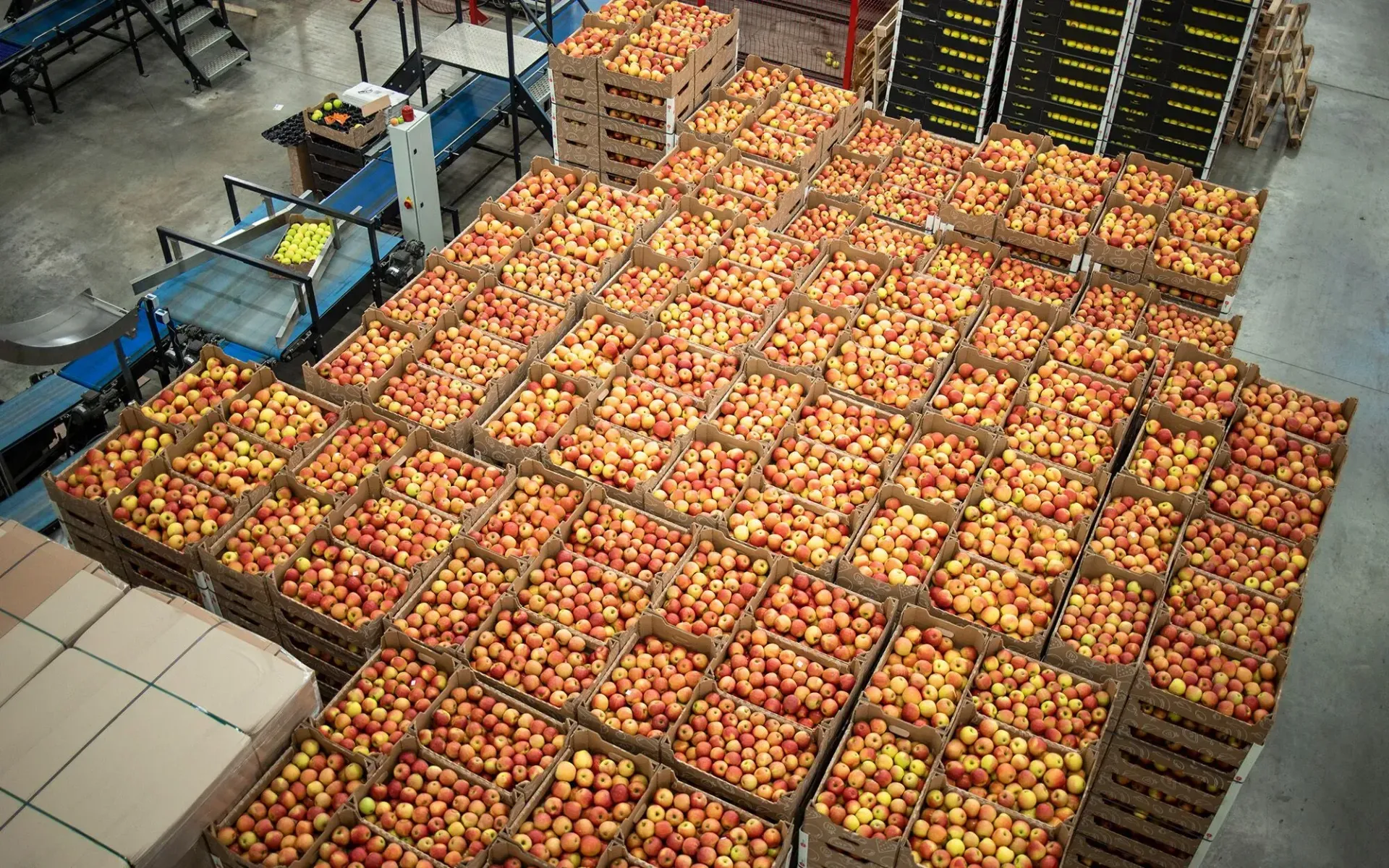
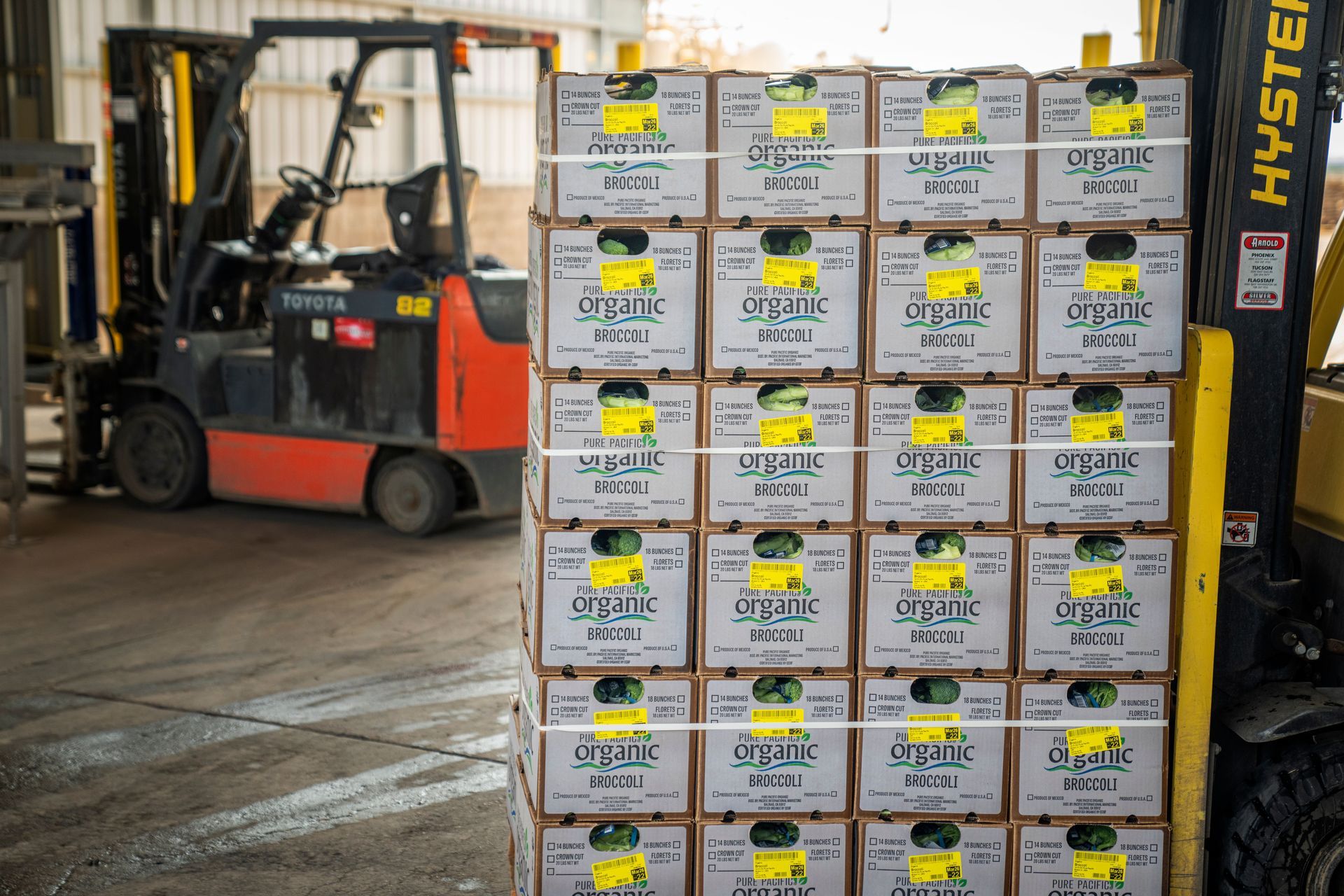
Compared with frozen items, those kept in ambient storage warehouses are far easier to ship. For products that can easily melt at high temperatures or be ruined by cold, ambient storage is an effective way to prevent them from perishing.
A big advantage of ambient food storage is the absence of power costs. With ambient storage, you avoid the hassles and costs of cold storage warehouses because the items you need to store don't require refrigeration.
How To Find a High-Quality Ambient Storage Provider
When choosing a place to store your goods, make sure you're partnering with a trusted provider.
Research Reviews
When choosing a provider for your storage needs, look for reviews from previous customers to gauge how they feel about the service. A quick Google search should bring up several warehouse spaces around you. Read reviews and testimonials to get a general idea of your prospective partner's ability to deliver high-quality storage solutions.
Additionally, you should pay close attention to their client relationships. Customer service is one of the most important things when cultivating a working relationship. If you invest in ambient storage space, you'll need a provider with around-the-clock customer support in case you need to access your goods quickly. Above all else, your prospective provider should be easily accessible and attentive to their client's needs.
Get Multiple Estimates
With any big commitment, you should never choose a provider after a single meeting, as you won't be able to tell if they're offering a fair price. Shop around and get multiple estimates on your storage costs. Having several options helps you narrow down your options and find the best partner for your storage needs.
Ask for Case Studies
A major factor in finding the right provider is ensuring they have experience handling goods similar to yours. Any business can claim past success, but only qualified providers can offer resources that highlight their ability to meet your needs. Ask for specific case studies.
When finding an ambient storage partner, it helps if they offer third party logistic (3PL) services.
Proximity to Your Customer Base
The proximity of your warehouse space is critical when you need to keep products near end users but don't have an immediate need for them. That's why outsourced ambient storage facilities benefit companies that lack the resources to store products in their own facilities. When evaluating warehouse spaces, look for ones near your distribution areas.
Find a Local Provider
Finding a provider close to your business is key to keeping your supply chain in good shape. Local companies are more accessible during emergencies and easier to reach year-round. They'll also have an innate understanding of your local regulations and specific storage requirements.
Finding a high-quality ambient storage provider doesn't need to be complicated—choose a trusted partner and take a load off your shoulders.
Your Top Choice for Ambient Food Storage Warehouses
At FW Logistics, we're a trusted choice for businesses looking to keep their food products from perishing. No matter how sensitive your products are, you can rest assured that we have the facilities to keep them safe. Ready to take the next step?
Reach out to our expert team—we're happy to help.