Cold Chain Logistics: What You Need To Know
Cold chain logistics are an effective way to safely store and transport your temperature-sensitive products.
The distances between the supplier and the receiver put perishable goods at risk of damage if temperatures aren’t properly controlled. This is why many businesses are choosing to implement cold chain logistics solutions as part of their transport process.
What Is Cold Chain Distribution?
Cold chain logistics refers to the safe transport of temperature-sensitive goods along the supply chain. Any product that’s known to be perishable will likely need cold chain management.
Common Cold Chain Logistics Services
Various cold chain logistics solutions are available depending on the goods being shipped. Some standard cold chain services are:
Cold Storage
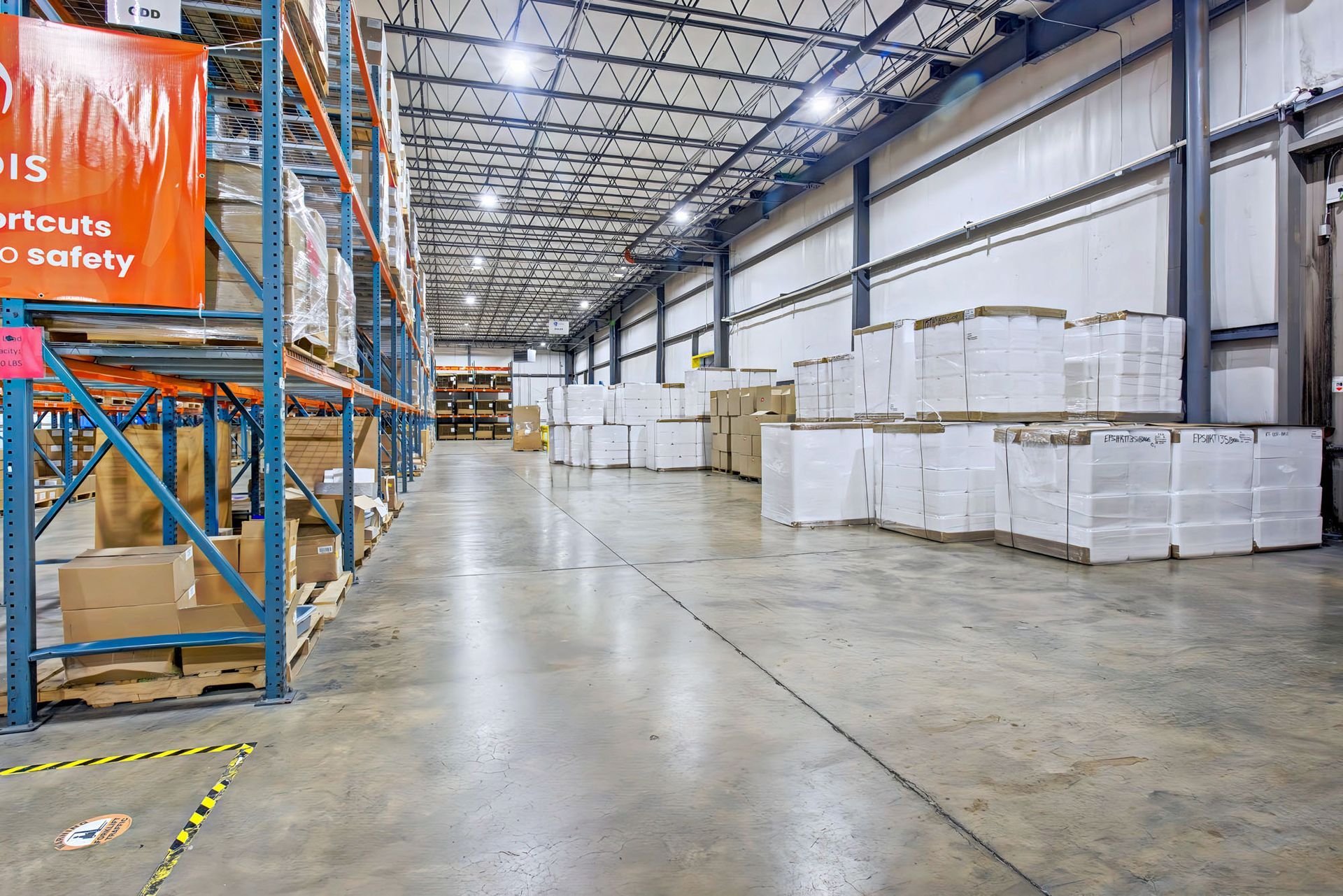
Cold storage is a type of warehouse space designed to store goods in a cold environment. They use blast freezing, coolers, chillers, and other refrigeration techniques to keep sensitive products safe while they wait to be transported.
Cooling Systems
These systems keep food and other perishables at an appropriate temperature throughout the supply chain, including processing, storage, and transport.
Cold Transport
Cold transport ensures goods remain at a stable temperature when shipped to the receiver.
Cold Processing
Cold processing is focused on keeping products safe and sanitary. Their primary purpose is to prevent unsanitary conditions that occur when refrigerated products are exposed to warm temperatures.
Cold Distribution
Cold distribution involves loading boxes and pallets promptly to ensure they remain frozen during shipment.
Types of Cold Chain Products
Cold chain logistics relies on several methods to keep your goods at safe temperatures. The time of transport, weather, and season all affect which method is ideal. Some of the most common are:
Gel Packs
Gel packs are effective for keeping food products and medical shipments cold in smaller quantities. They're usually inserted into boxes or pallets.
Dry Ice
Dry ice is used to keep goods frozen for an extended period. Because dry ice sublimates rather than melts, it also makes cleanup easier after transport.
Liquid Nitrogen
Liquid nitrogen is primarily used to transport biological cargo, such as organs or tissues. It's extremely cold, keeping highly sensitive items frozen for longer periods.
Eutectic Plates
Eutectic plates, also called cold plates, are similar to gel packs but can be reused multiple times.
Reefers
A reefer is a type of insulated van, semi-truck, or ISO container. It's built into the vehicle and allows for temperature-controlled air circulation.
Quilts
Insulated quilts are wrapped around freight to maintain consistent temperatures, so your frozen items stay frozen throughout the shipment.
Discover the Difference of Smart Cold Chain Logistics
At FW Logistics, we use cutting-edge technologies to monitor humidity, temperature, and other environmental factors. Our controlled storage facilities are the premier option for keeping your inventory cool.
When you need to ship food, medical supplies, or any other temperature-sensitive items, call on us. We'll take care of your storage needs to guarantee high product quality