How to Choose the Right St. Louis Warehousing Partner for Your Business
Choosing a warehouse partner is about more than finding enough space for your inventory. The right provider can help you store products safely, improve distribution, manage changing demand, and keep your supply chain moving.
For businesses looking for St. Louis warehousing, location also matters. Your warehouse serves as an important link among suppliers, transportation providers, customers, and other points throughout your supply chain.
Before choosing a warehouse, take time to consider what your business needs today and how those needs could change as you grow.
Start With Your Storage Requirements
Not every business needs the same type of warehouse space. Before comparing St. Louis warehousing providers, determine what your products require.
Some businesses simply need clean, secure dry storage. Others may need cold storage, temperature-controlled space, food-grade warehousing, or facilities equipped to handle chemicals and hazardous materials.
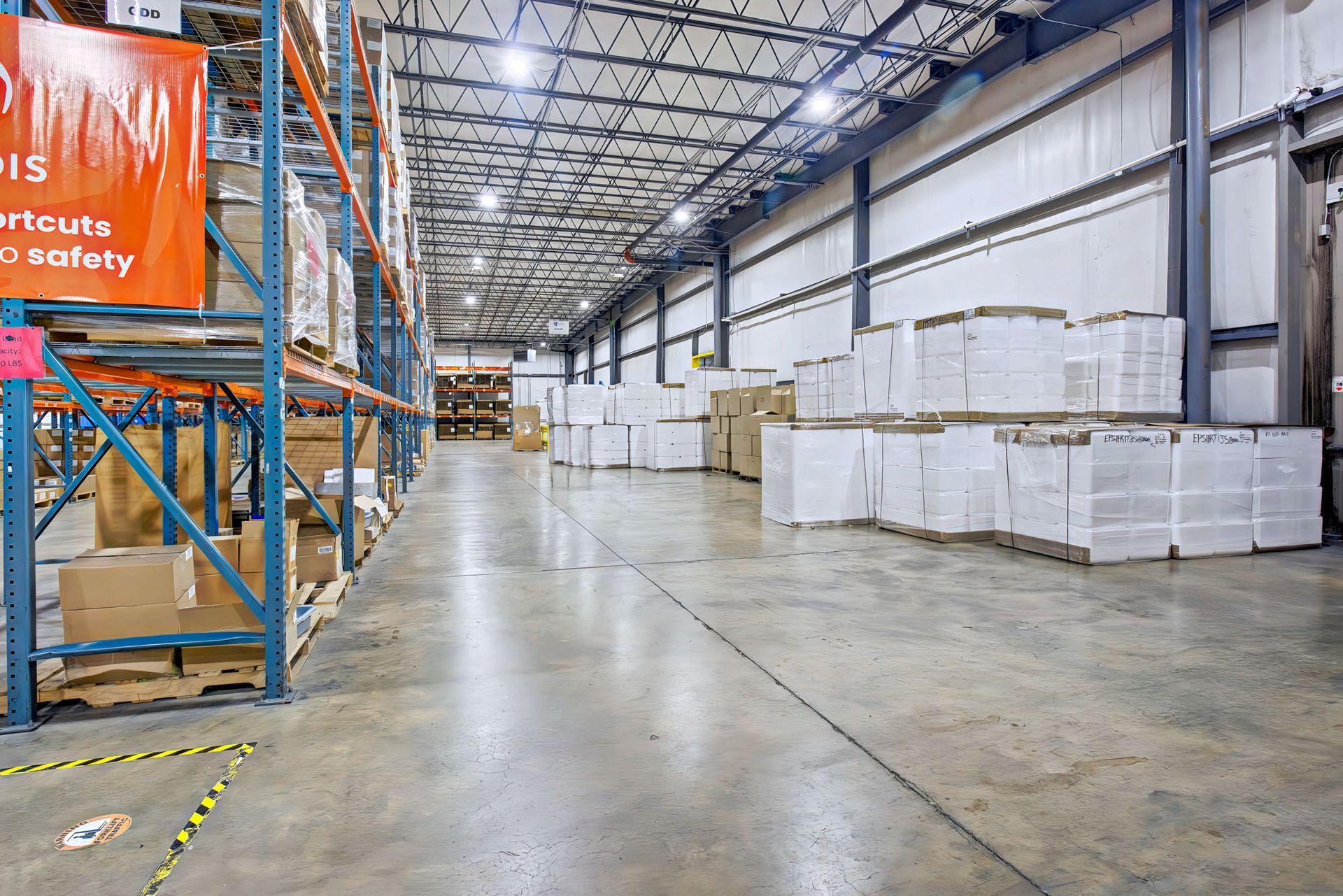
FW Logistics provides several specialized warehousing options, including dry storage, cold storage, food-grade warehousing, temperature-controlled capabilities, blast freezing, and chemical and hazmat-certified storage.
Understanding your requirements early can help you narrow your options and avoid trying to make a warehouse fit an operation it was not designed to support.
Consider the Location of the Warehouse
Where you store inventory can affect what happens after it leaves the warehouse.
A strategically located warehouse can help you build a more efficient distribution network by positioning products closer to transportation routes, customers, suppliers, or other facilities.
When evaluating warehousing in the St. Louis region, think about where your inventory comes from and where it needs to go next. Consider your inbound freight, outbound shipments, customer locations, transportation requirements, and plans for future expansion.
The best location is not necessarily the warehouse closest to your office. It is the location that makes the most sense for your overall supply chain.
Look Beyond Warehouse Space
Available square footage matters, but it should not be the only factor in your decision.
Ask potential warehousing partners how they manage inventory and day-to-day operations. Your business should be able to understand where inventory is located and have confidence that products are being properly received, stored, handled, and prepared for their next destination.
Technology can play an important role here. FW Logistics highlights real-time tracking as part of its warehousing services, giving businesses greater visibility into their stored products.
You should consider how easily your warehousing partner can adjust when your needs change. Seasonal inventory increases, business growth, new product lines, and changing customer demand can all affect how much space and support you need.
Evaluate Transportation and Distribution Capabilities
Warehousing is only one part of the supply chain. Eventually, your products need to move.
Choosing a provider that supports both storage and transportation can simplify your logistics operations. Instead of coordinating separate companies for warehousing, trucking, distribution, and other services, you can work with a logistics partner that understands how those pieces connect.
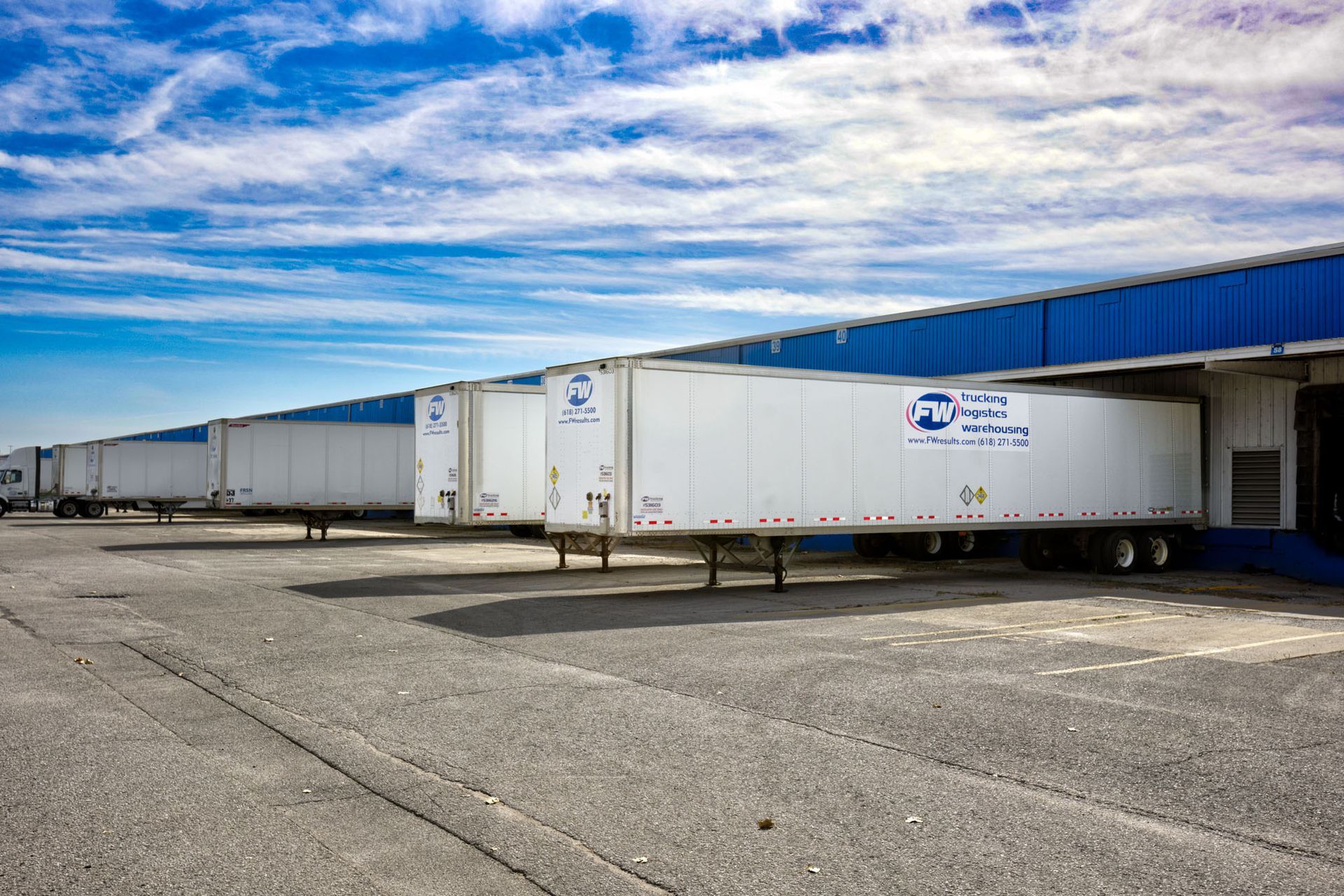
FW Logistics combines its warehousing services with local and OTR trucking, freight brokerage, distribution, cross-docking, and fulfillment.
That integrated approach can be especially useful if your products regularly move in and out of storage. Your warehousing and transportation strategies can work together rather than operate as separate parts of your supply chain.
Make Sure the Provider Can Handle Your Industry
Warehousing requirements can vary significantly between industries.
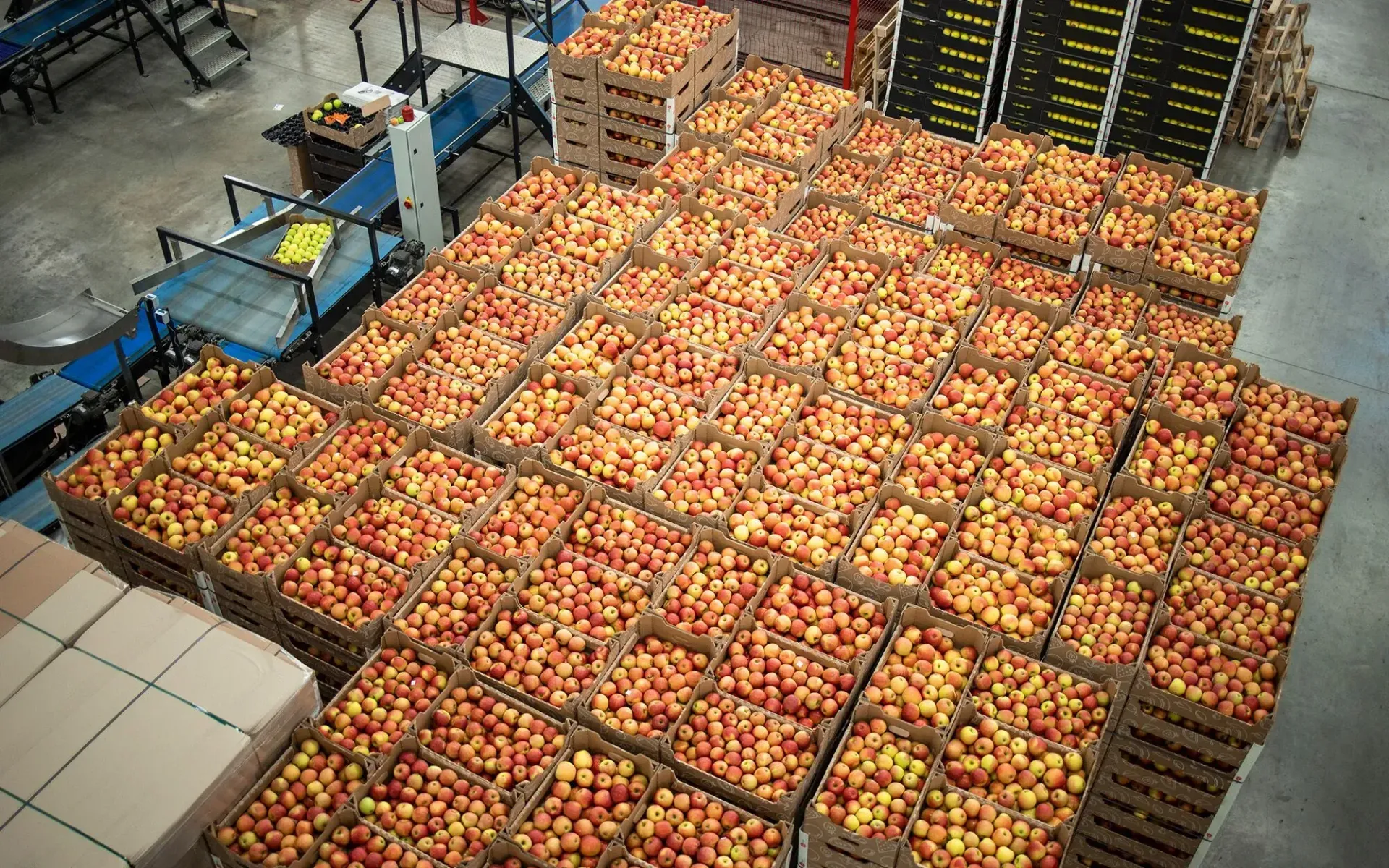
Food products may require food-grade or temperature-controlled environments. Chemicals can introduce additional handling and storage considerations. Consumer goods businesses may need flexible storage and distribution capabilities as order volume changes.
Before choosing a St. Louis warehousing partner, ask whether the provider has experience with products similar to yours and the capabilities required to handle them.
You do not want to discover after moving inventory that a provider cannot accommodate an important part of your operation.
Think About What Happens as Your Business Grows
Your current storage requirements might look very different a few years from now.
You could enter new markets, add products, experience seasonal spikes, increase order volume, or need specialized storage you did not previously require. A warehouse provider that works for your business today should also be prepared to support those changes.
Look for flexibility in available space and services. It can also help to choose a logistics provider with access to multiple facilities if your supply chain eventually extends beyond the St. Louis area.
FW Logistics operates multiple storage facilities across the U.S. and provides warehousing, trucking, and logistics support designed to help businesses scale their operations.
Ask the Right Questions Before Choosing a Warehouse
Before committing to a warehousing provider, ask questions that go beyond price and available space.
Consider asking:
- What types of products do you typically store?
- Do you offer dry, cold, food-grade, or temperature-controlled storage?
- Can you accommodate hazardous materials if needed?
- How do customers track their inventory?
- Can space adjust as inventory levels change?
- Do you provide transportation and distribution services?
- Can you support cross-docking or fulfillment if our needs change?
- Do you have additional warehouse locations if we expand?
The answers can give you a clearer picture of whether you are choosing a temporary storage solution or a long-term logistics partner.
Find the Right St. Louis Warehousing Partner
The right warehouse should support more than your inventory. It should help support your entire supply chain.
When comparing St. Louis warehousing providers, consider your storage requirements, location, inventory visibility, transportation needs, specialized handling needs, and growth plans. Taking a broader look at these factors can help you choose a provider who can continue to support your operation as your needs change.
FW Logistics provides warehousing, trucking, distribution, cross-docking, fulfillment, and other logistics solutions designed to help businesses manage their supply chains more efficiently.
If your business is looking for warehousing support in the St. Louis region,
contact us today to discuss your storage and logistics needs.