What To Look For in a Food Grade Warehouse
Sensitive food products require special care and handling during the entire supply chain. Add the complexities of legislation and regulatory compliance to the equation, and the situation can become even more confusing.
Luckily, food-grade warehouses exist to assist in these logistical hurdles. But how can you tell which warehouse is right for you?
Continue reading to know what qualities to look for.
Five Things To Look For in Food Grade Warehouses
Finding the right warehouse for food storage and distribution is an important task that shouldn't be taken lightly. Here are five tips to help you decide which provider is right for you:
Sanitation
Proper care and handling of food products requires a high level of sanitation and hygiene, from employees to the facility itself.
Your food-grade warehouse should have an established sanitation schedule and detail the disinfection measures it takes.
Take a look around your potential facility to ensure there are enough sinks for handwashing, that personnel maintain good personal hygiene, and that they receive regular training on food-handling procedures.
FDA Registration
When choosing a partner for your storage needs, make sure to confirm they meet FDA food warehouse requirements and are compliant with local food and safety inspections.
This is an important quality that shouldn't be overlooked, as a facility that doesn't meet these qualifications could spoil your temperature-sensitive goods.
Other certifications to look for include the Safe Quality Food (SQF) Certification, which addresses food quality and safety across the supply chain, and AIB inspection ratings, a voluntary inspection that a 3PL uses to rate the safety and cleanliness of its facilities.
Condition of the Facility
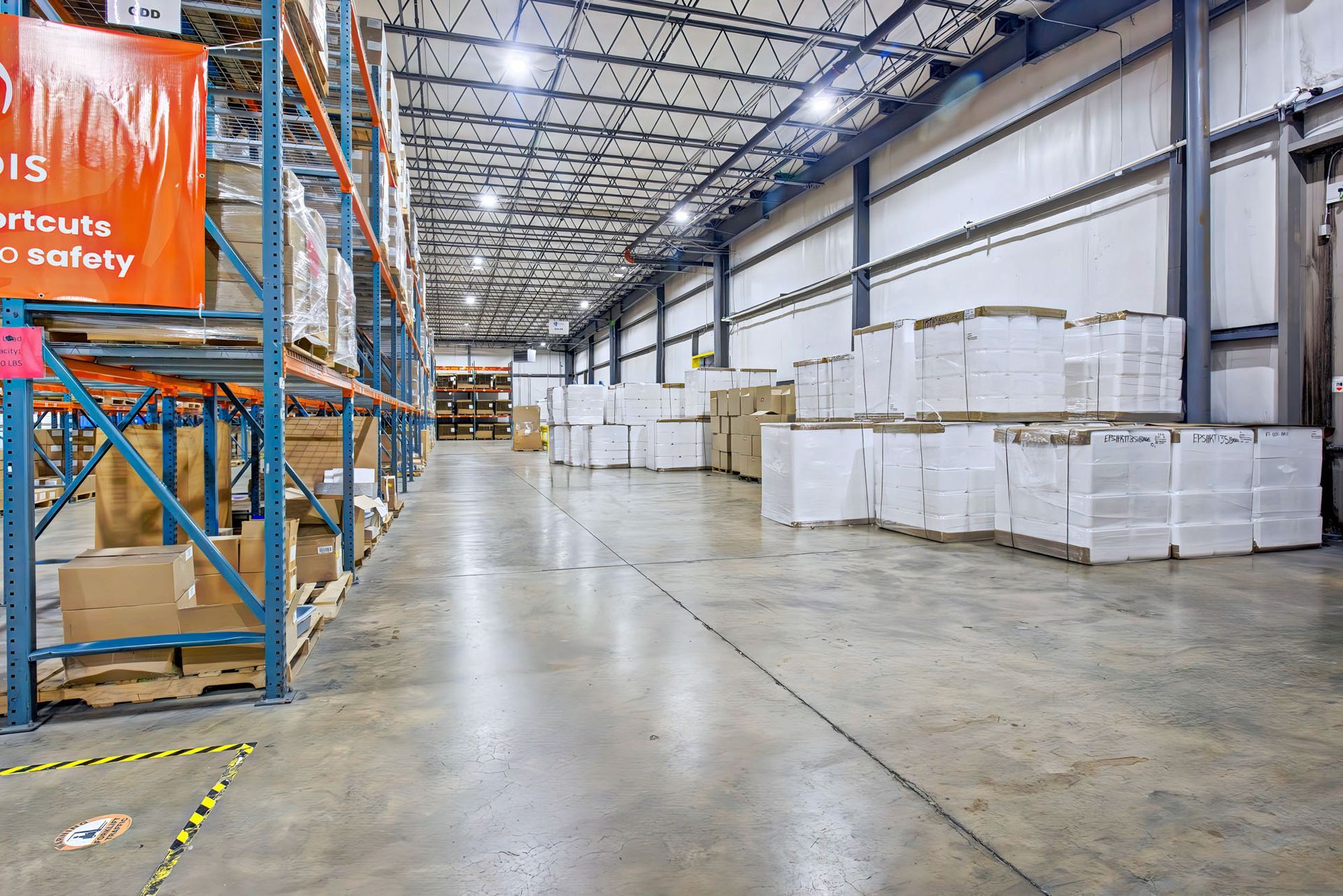
Ambient food storage warehouses should be clean, well-maintained, and free of any conditions that could cause health problems.
Your food-grade warehouse must be well-kept to ensure your products don't become contaminated.
Dry, Frozen, or Refrigerated?
If your products don't need to be refrigerated, look for a warehouse that can provide a dry, clean environment for items like grain or rice.
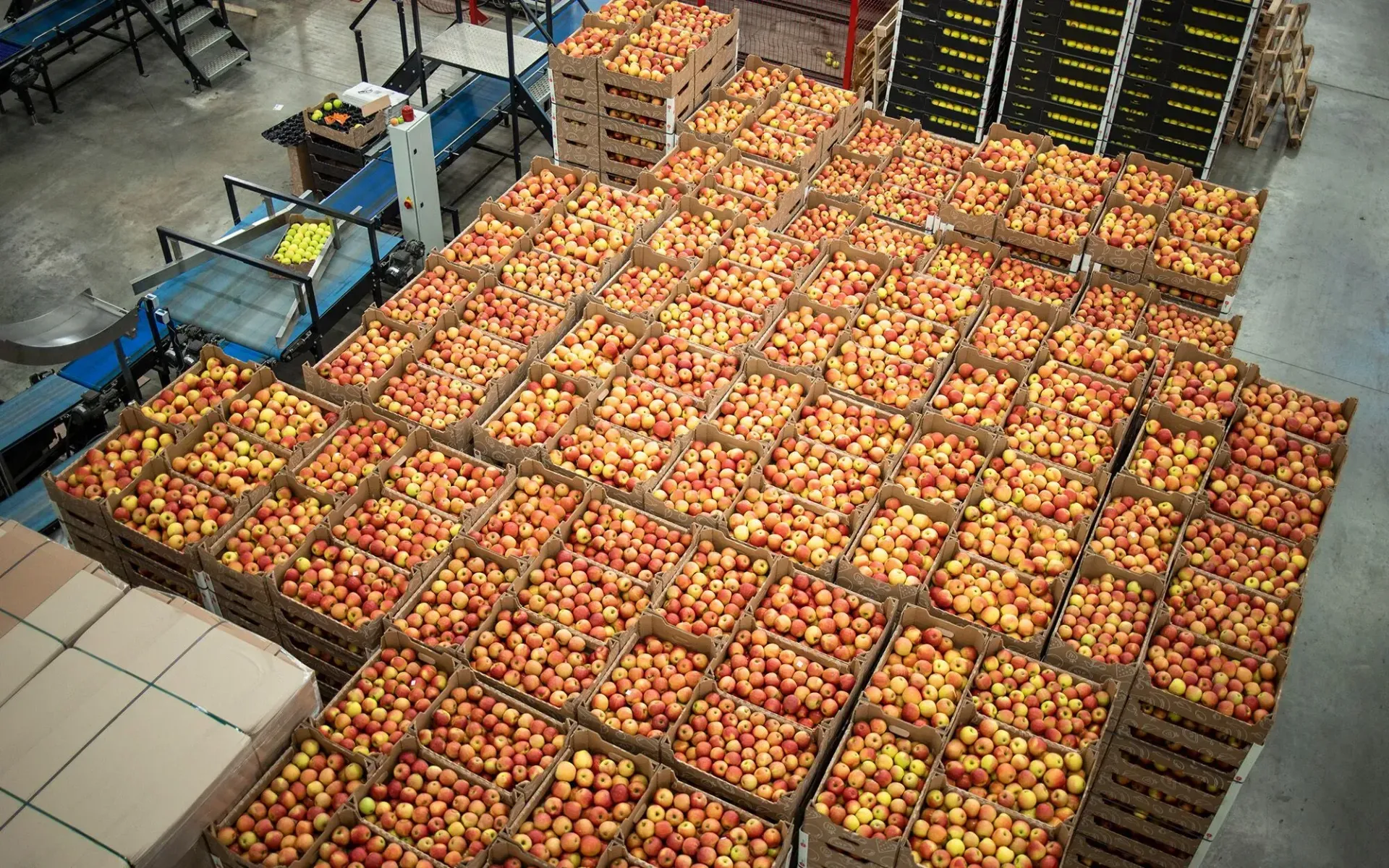
However, if your products are perishable, you need to seek a warehouse with frozen or refrigerated capabilities; this applies to products like seafood, medical vaccines, or perishable fruits and vegetables.
Frozen facilities maintain a constant temperature for the products stored there, while refrigerated warehouses are specifically designed to accommodate food products that need to be kept at a specific temperature.
Both of these are highly effective in keeping your temperature-sensitive products in a safe condition.
Company Track Record
Ask your prospective food-grade warehouse provider for case studies regarding their ability to handle products similar to yours.
Do your own research and look at the company's track record; a quick Google search for any negative reports often gives you a good perspective of what to expect.
Listen closely to how they handle your inquiries—if you're not satisfied with the answers they give, it's probably time to explore other options.
Your Trusted Provider for Food Grade Warehouses
FW Logistics is ranked among the Top 100 Third Party Logistics Companies for good reason. For over 70 years, we've provided high-quality warehousing solutions our clients can trust to keep their products safe.
Are you looking for a company to handle your temperature-sensitive storage needs? You're in the right spot.
Reach out to our expert team with any questions—we're happy to help.