What Is Cross-Docking?
Discover cross-docking in the 3PL warehousing industry and its advantages in reducing costs, streamlining distribution, and minimizing inventory.
In the fast-paced world of logistics and supply chain management, proficiency is key to maintaining a competitive edge. Cross-docking is a vital tactic in this process, helping ensure operations remain efficient and cost-effective.
Dive into the concept of cross-docking, its key components, and how it differs from traditional warehousing methods. Additionally, determine whether implementing this process in your supply chain is right for your specific business needs.
How Cross-Docking Works
Cross-docking is a supply chain management practice that involves transferring goods directly from incoming trucks to outgoing trucks without intermediate storage.
Cross-docking optimizes supply chain efficiency by eliminating the need for warehousing inventory. Supply chains that use this process can meet customer demand faster by avoiding additional inventory-handling steps.
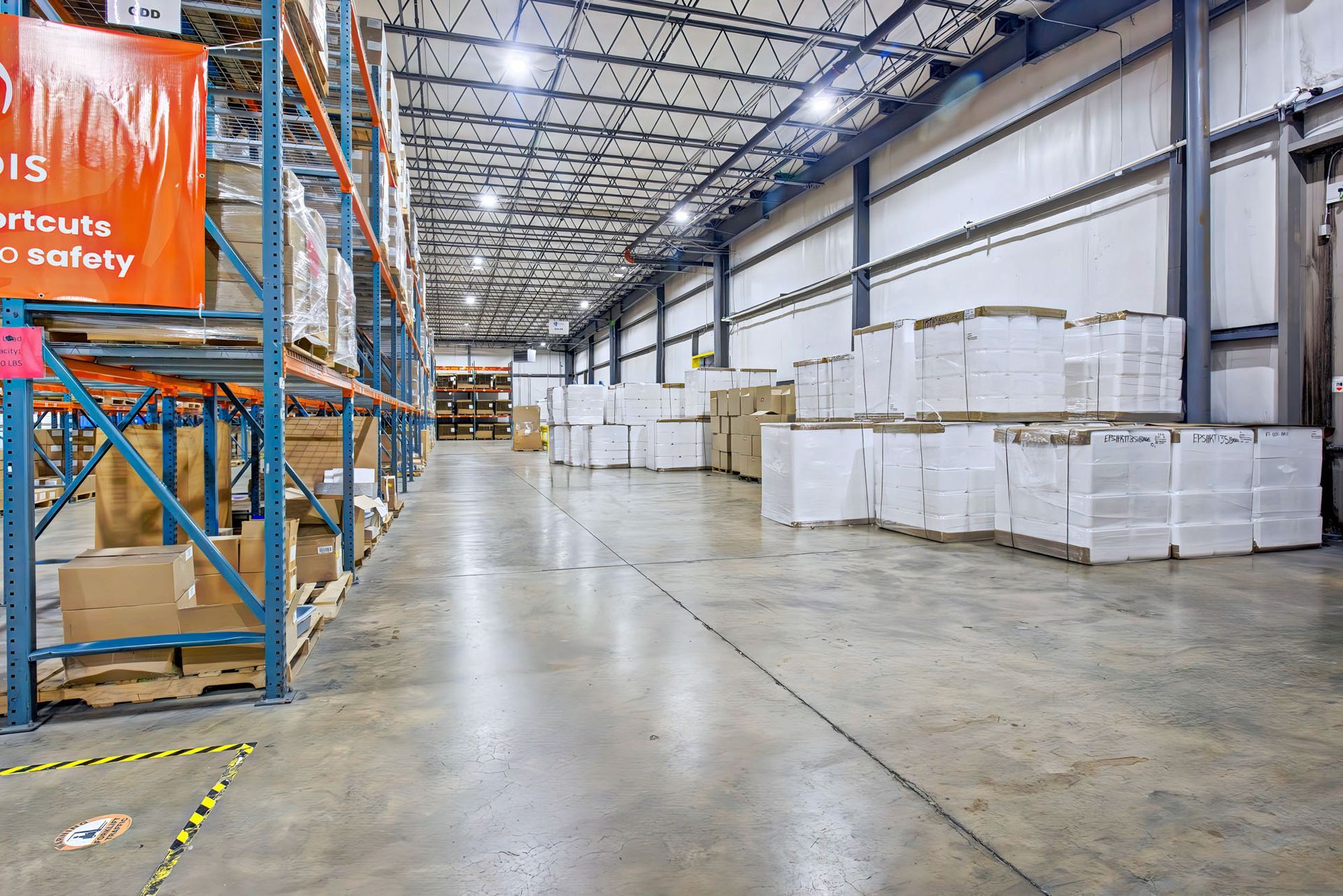
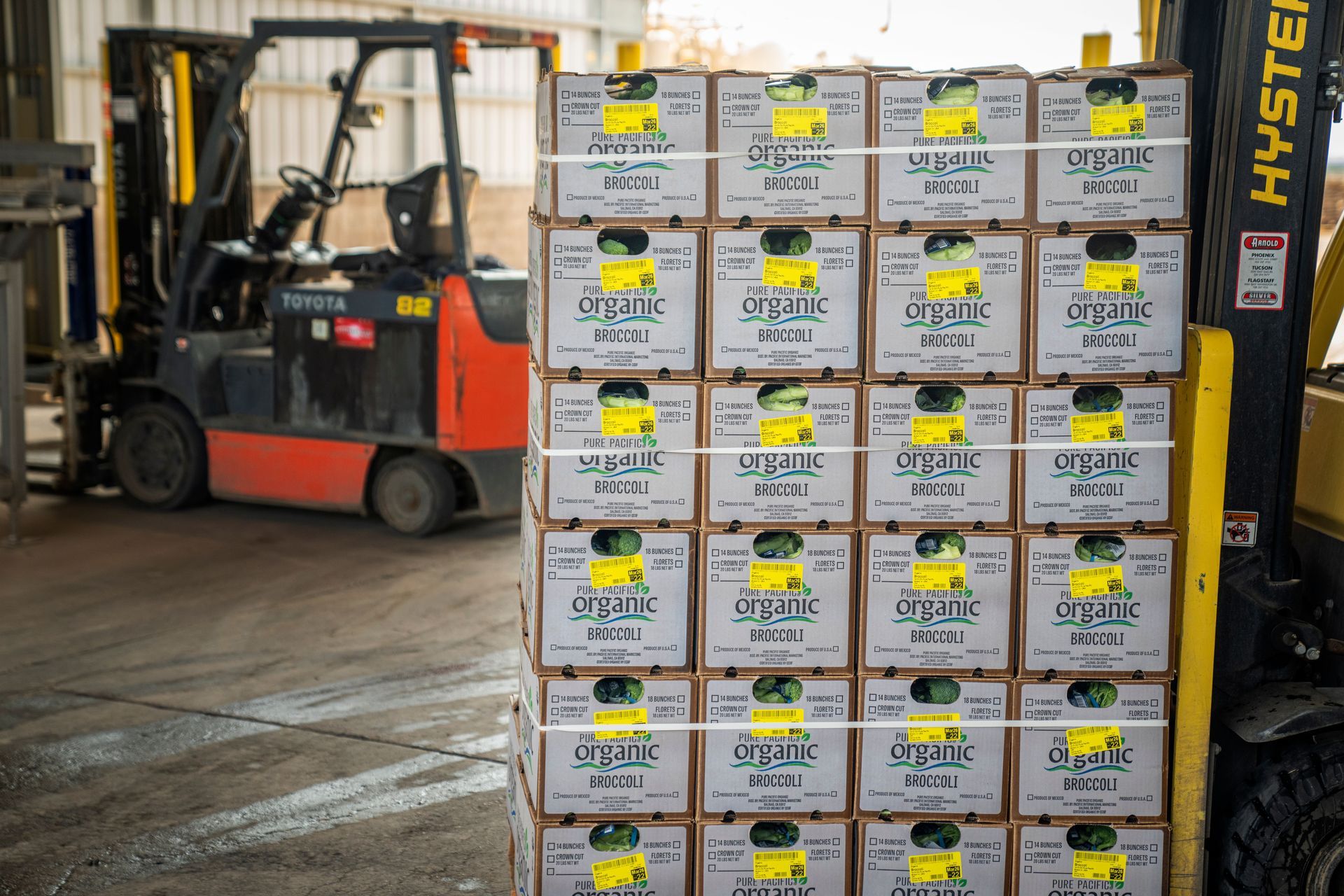
Cross-docking facilities serve as material handling and distribution centers rather than storage facilities. Goods arrive at the dock and are immediately sorted, consolidated, and loaded onto outbound trucks bound for retail stores, distribution centers, or customer locations.
This allows companies to have products available for customers more quickly and efficiently.
How Cross-Docking Differs From Traditional Warehousing
While warehousing involves receiving inventory, storing it, and picking/packing orders, cross-docking skips the storage step. In traditional warehousing, inventory sits in storage for extended periods waiting to be used to fill orders.
Under these guidelines, goods simply pass through the dock to reach their next destination.
This process reduces inventory carrying costs, risk of damage/obsolescence, and warehouse space needs. However, it requires precise coordination between inbound and outbound shipments, as well as inventory visibility.
Traditional warehousing provides a buffer against variability but is less efficient.
The Benefits of Cross-Docking
Faster Order Fulfillment
This process allows shipments to bypass lengthy warehouse storage and order processing times. It provides a faster order fulfillment option that gets products to customers more rapidly.
By eliminating storage, handling, and picking steps, orders can be fulfilled in hours or days rather than weeks. This speeds time-to-consumer and reduces lead times.
Lower Distribution Costs
Prompt transfer of goods through cross-docks lowers distribution costs in several ways.
Improved Supply Chain Flexibility
Cross-docking creates a more agile, responsive supply chain. Inventory can be routed rapidly in response to real-time changes in supply and demand.
If a product is selling faster in one region, shipments can be rerouted dynamically to meet customer needs.
The ability to consolidate and redirect inventory quickly allows companies to respond more effectively to market shifts.
How to Integrate Cross-Docking into Your Operations
To effectively adopt this 3PL process, take a phased approach that allows for testing and optimization.
Is Cross-Docking Right For Your Business?
While cross-docking offers substantial efficiency improvements, it also requires precision execution. The more variable a company’s supply chain is, the harder cross-docking becomes.
Businesses with consistent, high-velocity inventory flows and premium freight often benefit most from implementing cross-docking.
But for some, traditional warehousing may still be a better option. Consider volume variability, customer expectations, freight costs, and product characteristics to determine if investing in cross-docking capabilities could improve your bottom line.
Streamline Your Supply Chain With Cross-Docking From FW Logistics
Tired of wasting time and money on shipping and storage? FW Logistics streamlines your supply chain with efficient cross-docking services, getting your goods where they need to be quickly and affordably.
Contact us today to learn how our robust cross-docking solutions can optimize your logistics operations.