Supply Chain Management: What is Cross Docking?
Nothing slows productivity in a supply chain more than a lack of organization. If your company is seeking an advantage to speed up your processes without compromising quality, cross-docking is a great strategy to utilize.
While it requires careful implementation to ensure optimal performance, cross-docking offers several benefits worth closer examination.
What is Cross-Docking?
Cross-docking makes your inbound and outbound delivery services much more efficient, lowering transportation costs and improving customer satisfaction through quicker delivery times. The name comes from the process of receiving and quickly transferring products between the two trucks at a dock for seamless, efficient transfer.
It’s a unique procedure that involves minimal storage time—products from a supplier or manufacturer are instead distributed directly to the customer or retail chain. relies on sound timing and space-management planning for efficient transfer from the inbound truck to the outbound truck.
How Does It Work?
Once inbound products arrive at the distribution terminal, they're quickly unloaded onto the middle dock. From there, the products can be sorted and screened to ensure prompt, reliable delivery. After all the pertinent products are sorted out, they're moved to the opposite truck.
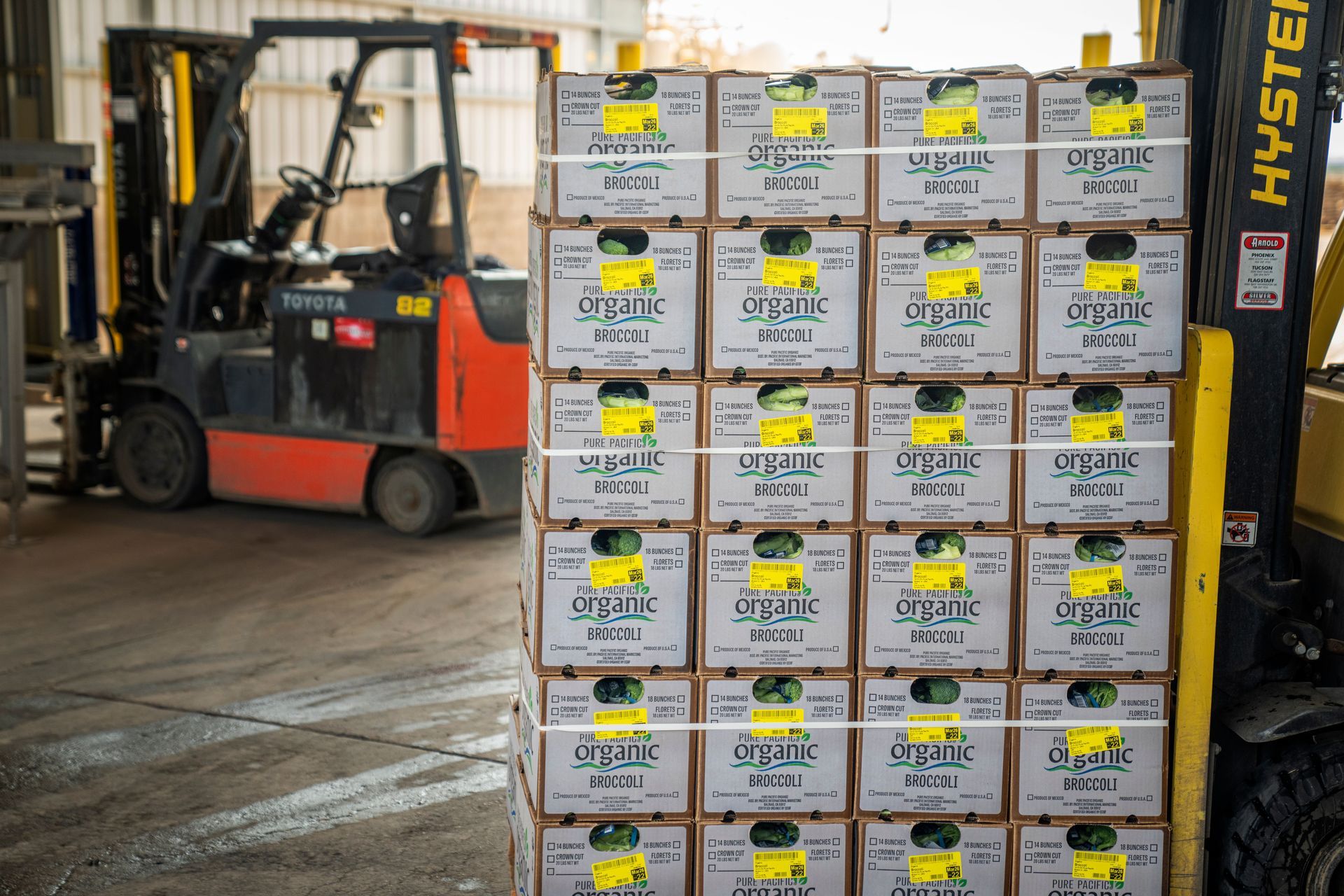
Whether you use a forklift, conveyor belt, pallet truck, or another piece of equipment depends entirely on your terminal's setup. Once the products are loaded, they're ready to be shipped to the customer or retailer.
How Do I Know If Cross-Docking is Right For My Warehouse?
Like any IT application, HVAC system, or lighting solution, there's no one-size-fits-all approach for every individual warehouse. Your ability to effectively implement cross-docking in your warehouse depends on your storage space, the type of product you need to transport, and the size of your transportation fleet.
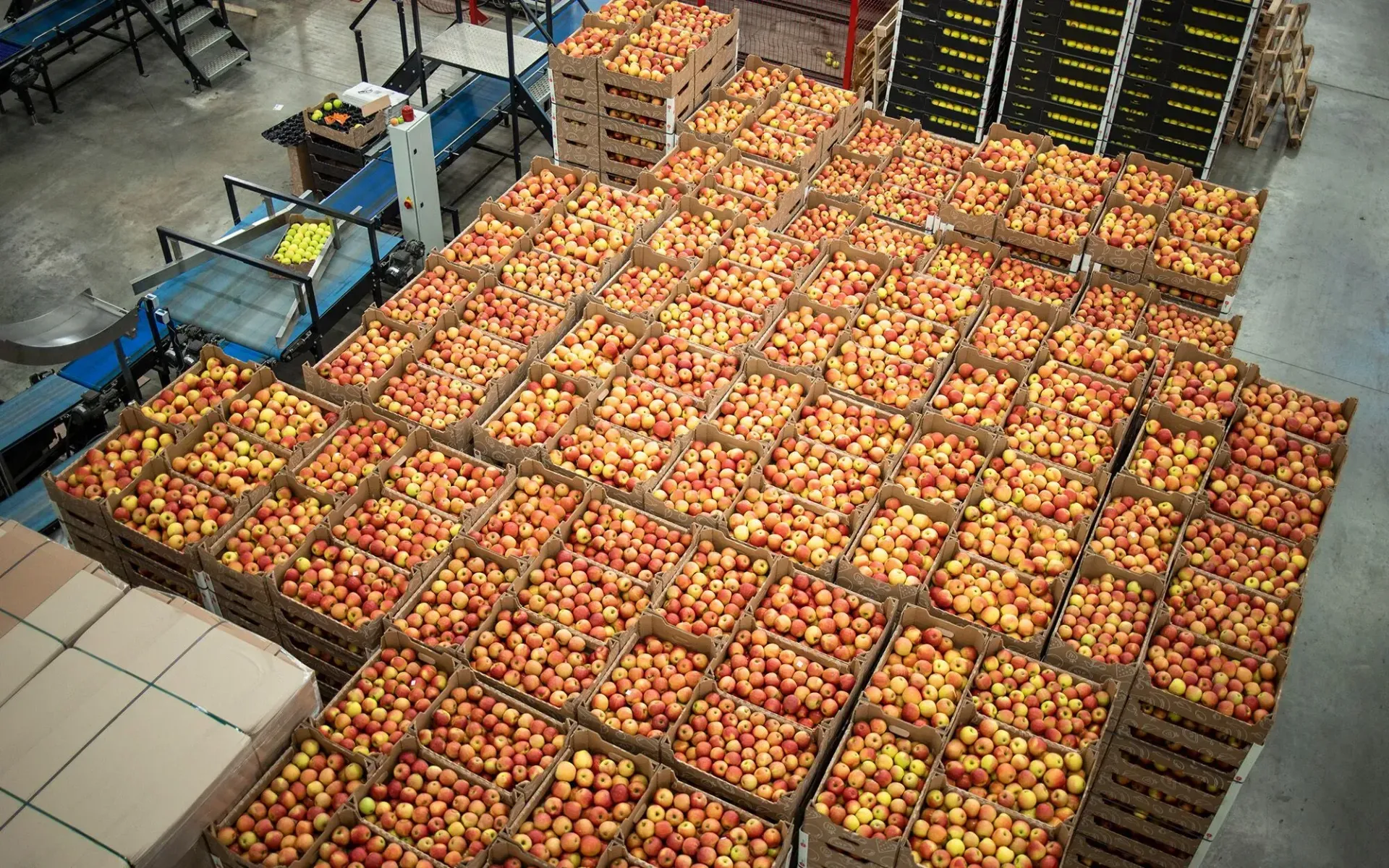
Let's say the product you're shipping is unpreserved food—something that relies on a time-sensitive delivery schedule. In that specific scenario, cross-docking makes a lot of sense for your warehouse. Pre-packaged and sorted products are also available for quicker transfer and delivery with cross-docking.
Choose the Solution That Fits Your Warehouse
No matter what solution you currently use for sorting, transferring, and delivering products in a timely manner, you must remain open to change. If your current solution isn't allowing you to deliver products on schedule, reevaluating might be a good option for your warehouse is a great strategy for companies looking to cut down on delivery time.
If the process you use day-to-day isn't optimizing your warehouse, consider migrating to a cross-docking solution. Although it might take more time to plan everything for seamless delivery, you'll have less to worry about once it's all laid out and ready to go.
Call us today to get started on a cross-docking solution that fits your company.