How Does the Food Supply Chain Operate?
Maintaining the food distribution flow is a more pressing concern now than it's ever been. Learn how the food supply chain works from start to finish.
Food distribution is a vital part of society's functioning. But how does your food get from Point A to B? Keep reading to learn how the food distribution process works and where efficient warehousing comes into play.
The Food Supply Chain
The food supply chain comprises all the processing stages our food goes through—production, processing, distribution, and consumption.
Unfortunately, the longer the supply chain, the greater the chance that food can be wasted or lost at each stage. It’s estimated that the costs of food supply losses amount to up to 1.2 trillion dollars.
Given the detrimental effects of waste, warehouses must be in optimal condition to ensure the supply process runs smoothly.
Warehousing and the Food Supply Chain
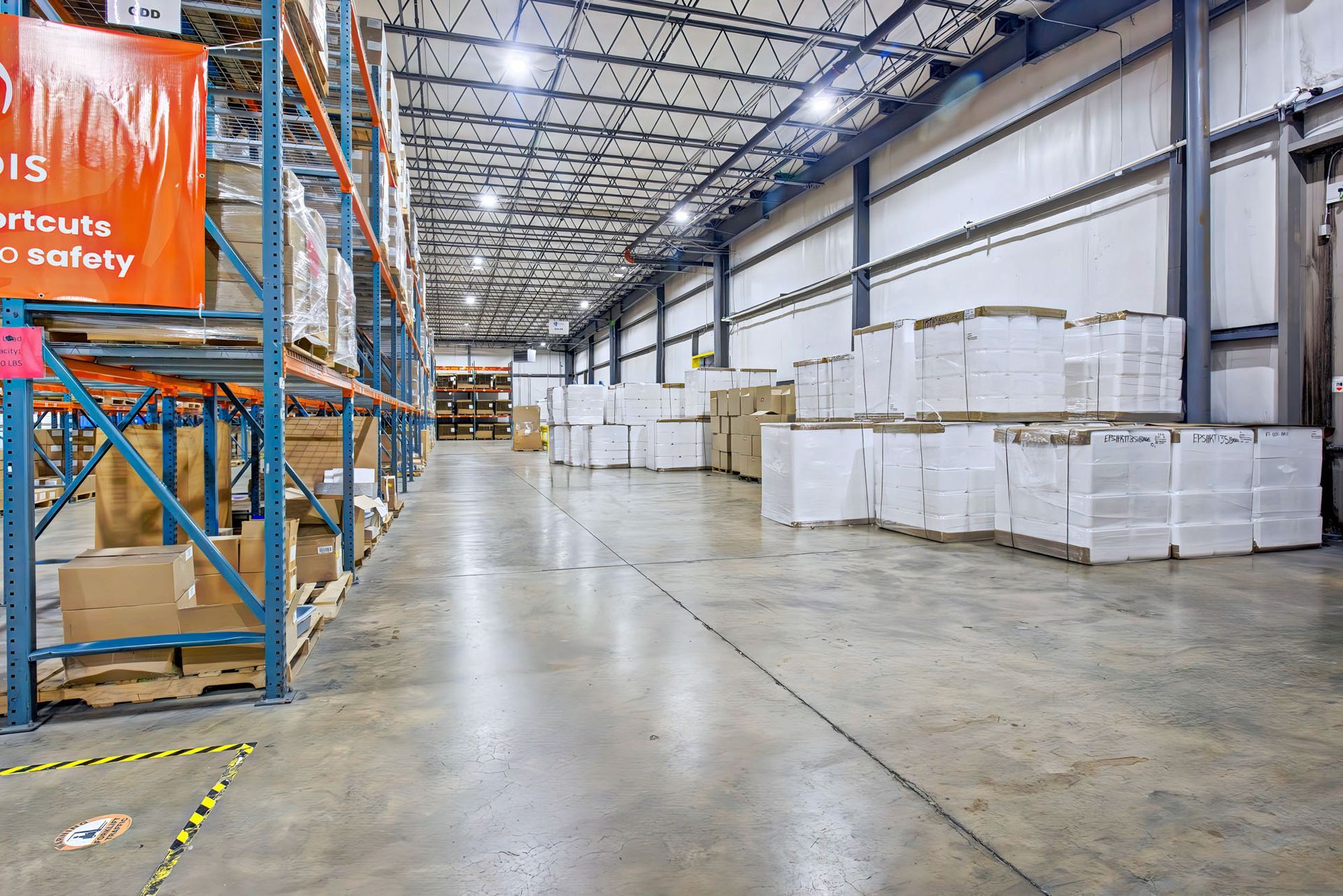
There are many kinds of warehouses, but facilities must adhere to specific manufacturing standards to maintain food-grade safety. Some more apparent concerns cover building upkeep, keeping these spaces clean, and ensuring effective pest control.
The list of standards doesn't stop there. Even more critical elements of food-grade warehousing lie in proper storage. To optimize safety, they have temperature-controlled environments that accommodate all kinds of food.
Additionally, facilities must maintain a high inventory turnover rate to ensure food doesn't expire before it reaches grocery stores. To prevent this, products are shipped using the first-in, first-out (FIFO) method. To further ensure all safety measures are strictly followed, food-grade warehouses are registered with the FDA and subjected to frequent inspections.
What Are the Four Stages of Food Distribution?
The stages of the food supply chain are carefully integrated, providing a seamless system from beginning to end. While there are slight differences regarding whether the food was locally sourced, whether it needs to be processed, whether it's ready to eat, etc., the rest of the process is relatively the same. It can be explained in four steps.
Production
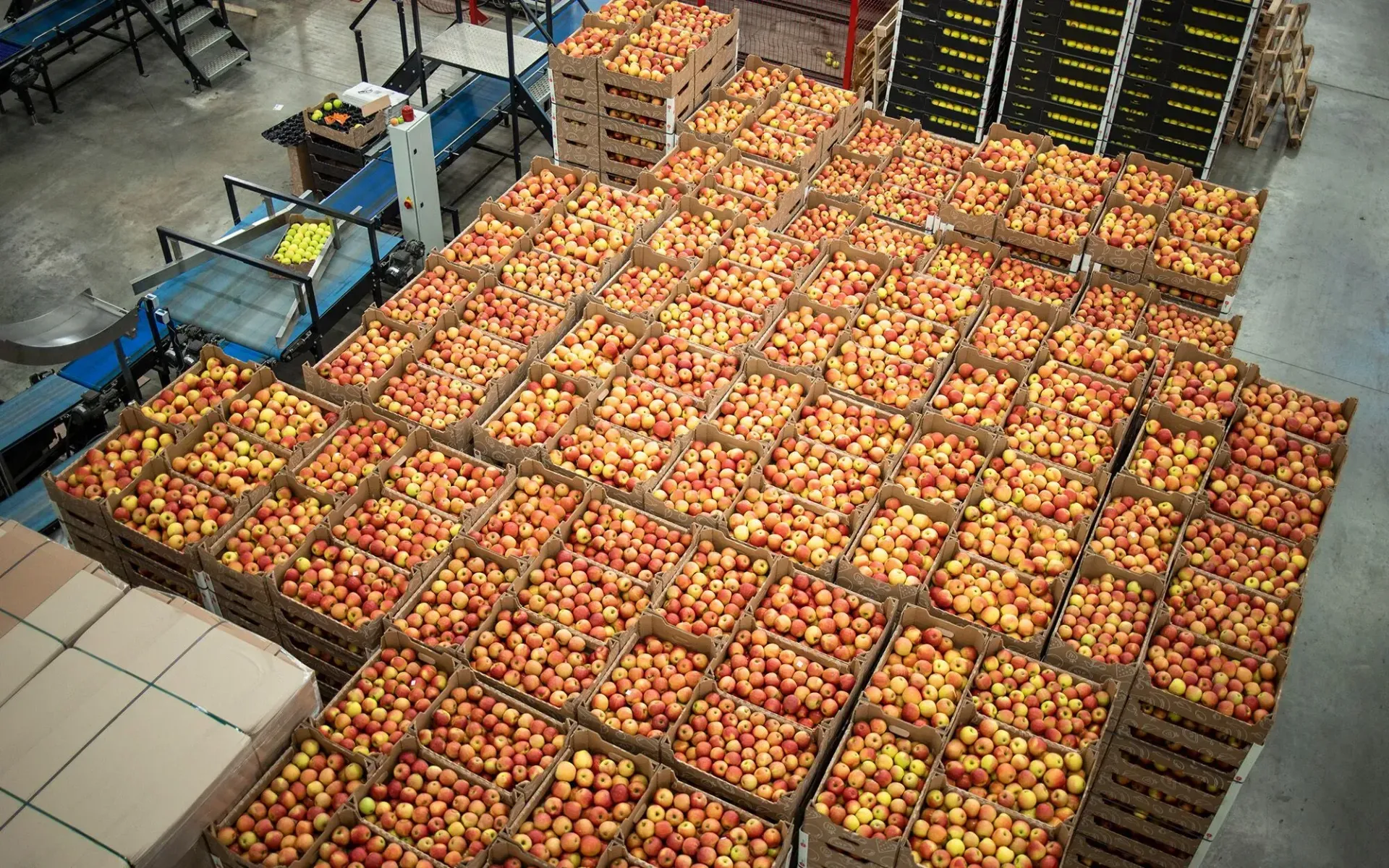
The production stage is where the food is sourced. Whether they grow, develop, or cultivate, food producers must comply with local and international legislation mandating quality standards.
Processing
After leaving the production stage and undergoing handling and storage, the food supply gets turned over to processing and packaging. This stage is where food not ready to eat at the production stage is converted into an edible form.
Also, processors must consider any local or federally regulated packaging standards. Not only should food packaging meet specific criteria to ensure safety and quality, but retailers also want their produce to look as appealing as possible.
Distribution
To understand the food distribution process in greater detail, you need to consider the role food service distributors play.
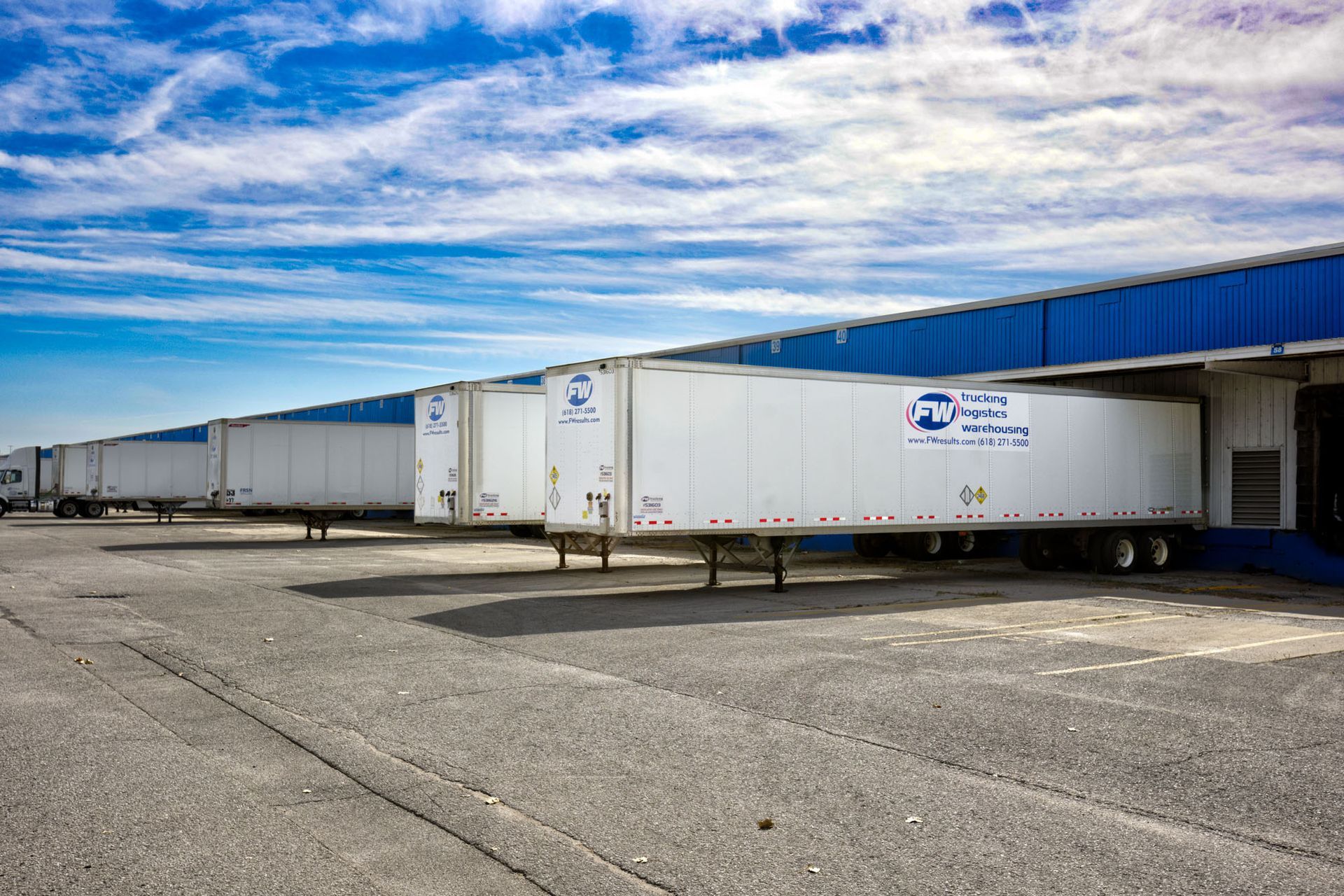
As the entities that handle storage during travel, they provide food and any related items to foodservice operators. This refers to anyone who provides consumers with food-related products, including a restaurant chef, a convenience store, or even a hospital cafeteria.
Distributors use a combination of methods to fulfill their tasks—the first is through marketing and selling the products they deliver, and the second is via transportation and warehousing.
Additionally, the system becomes even more intricate due to the many types of distributors, each catering to specific food service operators according to their needs.
Consumption
After surviving the long distribution journey from the packaging plant to the final retail destination, the final stage of the chain is consumption. At the most basic level, this occurs when a customer purchases food from the retailer and consumes it.
The State of the Food Distribution Industry
The food distribution industry will always be a relevant portion of agriculture. However, as the food supply chain lengthens and concerns over food waste arise, people are questioning how to optimize the industry to be more efficient and environmentally friendly.
As such, people are trying to identify points in the supply chain management system that can be minimized while still effectively delivering products. Some have suggested methods that emphasize personal responsibility, such as encouraging consumers to buy locally sourced foods to simplify the distribution network.
Other suggestions have involved the final stage of the food supply chain—consumption. Since food also tends to go to waste in homes, consumers are encouraged to find ways to use every part of the food-related items they purchase from retailers.
FW Logistics – Providing Optimal Distribution Services
At FW Logistics, we'll grow your business with our preferred logistics solutions that cover vital parts of the food supply chain and more.
Let us help give your business the competitive edge you deserve with our industry-leading, certified distribution centers. Curious about our logistics process? Contact us today.