How Integrated 3PLs Help Freight Cost Reduction in the Food Industry
Freight costs in food distribution logistics are rarely driven by carrier rates alone. Some of the biggest cost leaks happen before a trailer leaves the dock, when warehouse execution and transportation planning are out of sync. That disconnect shows up on the freight invoice as detention, reschedules, accessorial fees, rejected loads, and underutilized capacity.
This blog breaks down how warehouse inefficiencies translate into higher transportation costs and why integrated 3PLs are a practical path to reducing freight costs. You will see where the money leaks start, what an integrated operating model changes, and how to evaluate ROI even if base freight rates stay flat.
The Freight Cost Problem in Food Distribution Logistics
Food shippers operate inside tight delivery windows, strict temperature requirements, and shelf-life pressure. Those constraints leave little room for warehouse delays. When readiness slips, transportation costs climb quickly because carriers charge for time and disruption.
Common freight cost management challenges in food and beverage include:
- Detention and layover charges are tied to late loading and dock congestion
- Reschedules that push deliveries into penalty windows
- Rejected loads caused by poor pallet stability or temperature handling issues
- Partial loads and inefficient trailer utilization that inflate the cost per unit shipped
If your team is focused on freight cost reduction, the fastest wins are often upstream. Fix the dock, staging, and inventory flow, and you can reduce shipping costs without having to chase a new carrier network every season.
Where Warehouse Inefficiencies Drive Up Freight Costs
Warehouse issues may appear to be internal problems, but they directly impact transportation spend. Below are four high-impact patterns that increase freight costs for food shippers.
Bad Palletization Creates Load Failures
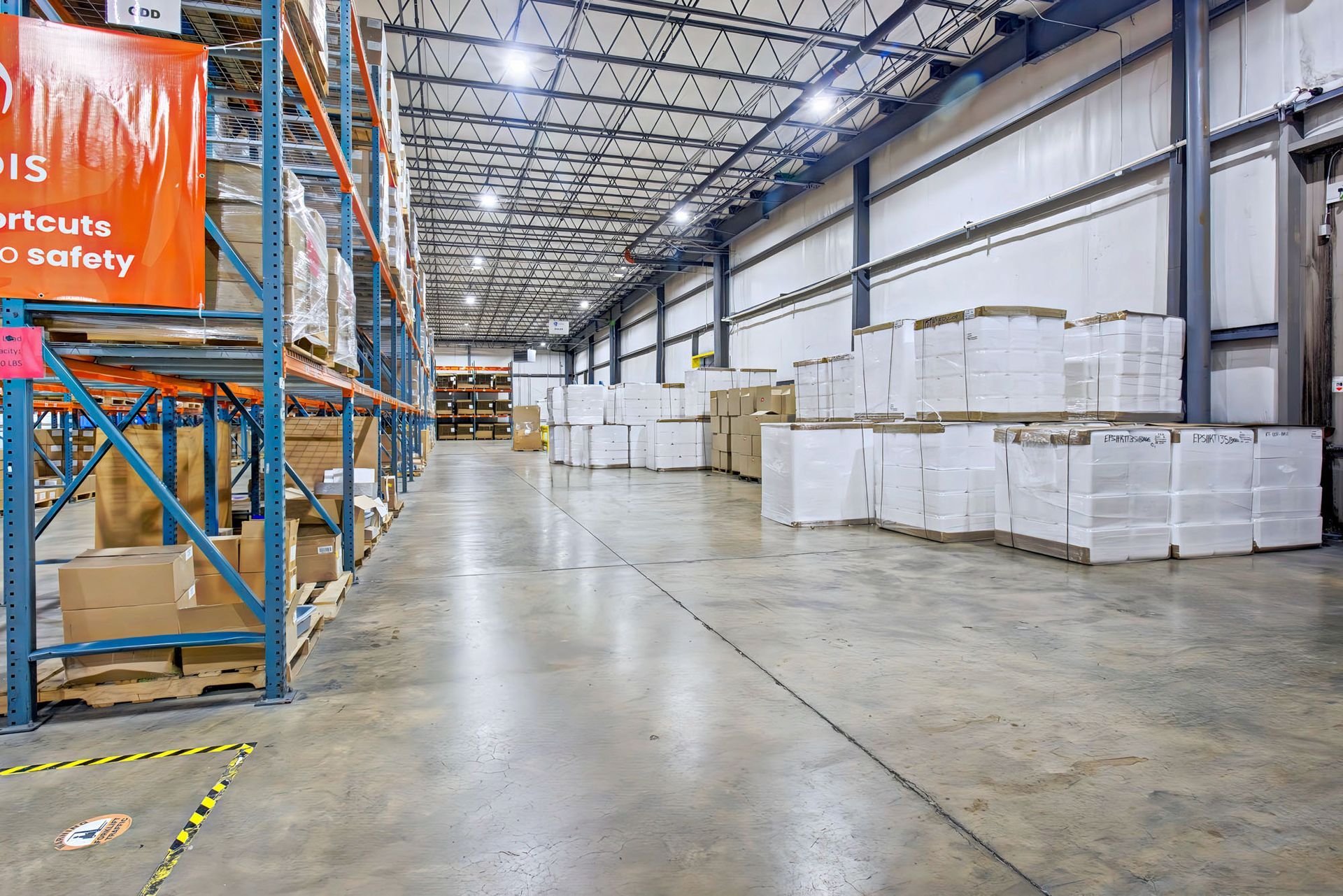
Unstable stacking, inconsistent wrapping, and poor weight distribution lead to rework at the dock. That can mean repalletizing, rewrapping, or rebuilding a load when a driver is already on site. In food distribution logistics, it can also trigger product damage and rejected deliveries, which often incur rescheduling fees and urgent replacement shipments.
Poor Staging Leads to Driver Wait Time
If freight is not staged and verified before the driver checks in, the clock starts running. Even short delays pile up when volumes surge, because one late load blocks doors and drags the next pickup behind it. Detention becomes a predictable outcome of poor staging discipline, and it is one of the clearest ways warehouse inefficiencies show up on transportation invoices.
Inventory Flow Breakdowns Cause Missed Pickups
Food operations depend on clean inventory flow, including FIFO discipline, temperature-zone handling, and rapid movement from storage to staging. When pick paths are inefficient, or the product is slotted far from the shipping area, teams lose time locating and building orders. Missed pickups then trigger reschedules, missed appointment windows, and a cycle of reactive dispatching that makes it harder to reduce shipping costs.
Miscommunication Triggers Accessories and Errors
When a warehouse team and an outside transportation vendor operate from different schedules, problems follow. The wrong door gets assigned. The BOL is delayed. The carrier arrives outside the planned window. These issues can lead to accessorial charges and failed pickups, especially when seasonal volume puts pressure on both dock space and labor.
All four issues are solvable, but they are difficult to address when warehousing and transportation are owned by different partners with distinct systems.
The Integrated 3PL Advantage
Integrated 3PLs manage storage and transportation through one coordinated operating model. That means warehouse execution, dock scheduling, and dispatch planning work from the same set of priorities, with shared visibility and accountability.
For food shippers, this changes the day-to-day in practical ways:
- Warehouse teams can stage based on real pickup timing, not an outdated schedule
- Dispatch can plan around true load readiness and door availability
- Dock appointments can be sequenced to reduce congestion and trailer dwell time
- Inventory slotting and staging rules can reflect outbound demand patterns
- Exceptions can be resolved faster because escalation stays inside one partner
FW Logistics supports this integrated approach by providing 3PL warehouse services alongside transportation coordination, helping reduce handoff friction among storage, fulfillment, and freight. When warehousing and transportation are connected, freight cost management becomes less reactive and easier to control.
ROI Benefits Food Shippers Can Expect
Freight cost reduction is the outcome, but the levers are operational. Here are the ROI areas food shippers typically target when they consolidate under integrated logistics solutions:
- Reduced detention and layover fees from improved dock readiness and scheduling
- Fewer missed or late loads due to tighter alignment between staging and pickup windows
- Faster trailer turns that increase daily throughput without adding doors
- Higher load utilization, reducing partials, and improving cost per shipped unit
- Stronger OTIF performance driven by fewer handoff failures
- Lower spoilage risk through faster dock-to-door movement and fewer reschedules
These gains come from eliminating warehouse inefficiencies that carriers price into accessorials and service failures.
What a Warehouse-Freight Audit Should Measure
If you want a realistic view of savings potential, avoid guessing. Run a short operational audit that tracks where time and cost are lost between pick, stage, and load.
A simple before-and-after assessment often focuses on:
- Average driver wait time by pickup type and shift
- Percentage of loads staged and verified before carrier check-in
- Door utilization and peak congestion windows
- Top reasons for reschedules, missed pickups, and rejected loads
- Repalletizing and rework frequency at the dock
- Partial load frequency and root cause, including slotting and pick batching
What the Findings Usually Reveal
Here is what that can look like in practice. A chilled and frozen food shipper sees recurring detention charges during spring volume ramps. The root cause is not carrier reliability. Loads are consistently staged late because fast movers are stored far from the shipping doors, and dispatch windows change, leaving loads short of the floor in time.
An integrated 3PL adjusts slotting, aligns dock appointments with staging milestones, and routes exceptions through one operating owner. The shipper sees fewer detention events and more predictable pickups, even if the carrier mix stays the same.
FW Logistics can support this type of assessment by reviewing dock schedules, staging workflows, and transportation coordination together, since these functions are integrated into a single execution model.
Why This Matters Now
Carriers are charging for inefficiency because they can. When a network is tight, a delayed dock turn is lost productivity for the driver and the carrier. Food distribution logistics also faces seasonal pressure points that amplify warehouse inefficiencies, especially during spring and summer when demand spikes and temperature sensitivity increases.
Procurement and operations teams are under pressure to reduce shipping costs while protecting service levels. That is why freight cost reduction strategies need to include the warehouse. Negotiating rates helps, but it does not prevent detention, missed windows, or poor staging discipline.
Integrated 3PLs do not eliminate market volatility, but they reduce the internal friction that makes volatility expensive.
Freight Cost Reduction Starts at the Dock
If your warehousing and transportation are disconnected, freight spend is leaking away due to time, rework, and missed windows.
The fastest path to freight cost reduction is often to tighten the handoffs before the truck rolls, including pallet quality, staging readiness, dock scheduling, and dispatch coordination.
Integrated logistics solutions bring those pieces under one accountable partner, which is why many food shippers use integrated 3PL warehouse services to strengthen control over both execution and freight cost management.
If you want a clearer plan to reduce accessorials and prevent spring and summer bottlenecks, schedule a warehouse and freight flow review with FW Logistics. It is a practical next step toward reducing shipping costs by addressing upstream issues that carriers later charge you for.