Does My Business Need a Cold Storage Warehouse?
Cold storage is used to store products that have specific temperature requirements to avoid decay or contamination. Various storage methods are available depending on the product type, quality, and quantity.
Keep reading to learn about industries that often leverage the advantages of temperature-controlled warehousing.
Industries That Benefit From Frozen Food Storage and Commercial Blast Freezers
Below are some common industries that frequently take advantage of the benefits of cold storage.
Post-Harvest Storage
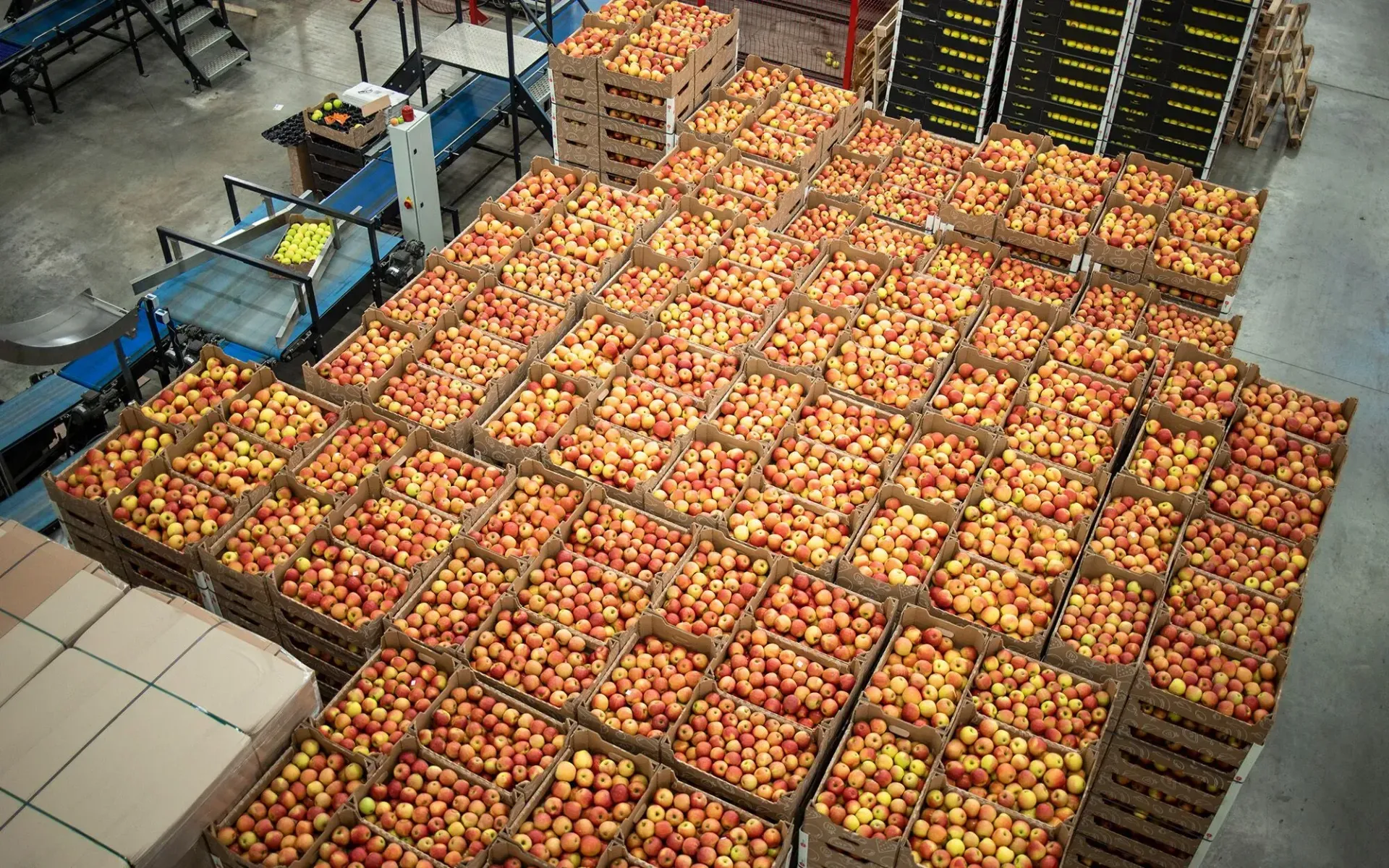
Soon after fruits and vegetables are harvested, they begin to respire and ripen. Businesses looking to slow down the decay rate need to keep their produce at colder-than-average temperatures.
In these cases, cold storage warehouses are used to preserve the food items through a combination of refrigeration and controlled atmosphere rooms. These rooms slow down the decay process by maintaining the concentration of different gases.
By monitoring the saturation of these elements, cold storage warehouses cultivate an environment that extends the longevity of your produce.
Since the production of fruit and vegetable crops happens on a large scale, it's not feasible for you to market them all at once.
Cold storage prolongs the shelf life of perishable foods, so they're available for extended periods of time.
Retail Foods
Many companies that supply food at retail turn to frozen storage because it’s an efficient way to preserve their goods and prevent spoilage.
Most frozen foods need to be stored at a maximum of -18 degrees Celsius, and cold storage warehouses can fulfill this requirement only with their specialized equipment. The commercial blast freezing process makes it possible for frozen food to be stored, transported, and distributed across long distances while significantly extending the shelf life of your goods.
This process helps food distributors expand their product range and reduce waste without sacrificing product quality. The freezing process is highly acclaimed because it helps food retain its flavors and nutrients.
Pharmaceutical Goods
In the medical field, there are several applications for cold storage warehouses. For example, in laboratories, blood samples need to be stored at specific temperatures to maintain their integrity. Additionally, several medicines must be held in medical refrigerators.
Because of this, medical providers often use cold storage warehouses as an effective way to ensure large stocks of their goods are kept at safe temperatures.
If blood samples and temperature-sensitive medicine are not kept under closely monitored conditions, they can change properties and become unusable. Cold storage has made it possible for these goods to be transported across long distances, all while making sure their chemical makeup remains unchanged.
Your Top Choice for Cold Storage Solutions
Finding a refrigerated or frozen space to accommodate your food products can be difficult. FW Logistics is committed to helping our customers find an option that makes sense for them.
We offer several different frozen and refrigerated options, each one designed to cater to different product types.
And for companies looking for a full solution—you're in the right spot. We specialize in warehouse inventory technology and logistics solutions.