How 3PL Integration Solutions Eliminate the Need for Multiple Logistics Vendors
It is common for mid-sized manufacturers and distributors to build their logistics stack one vendor at a time.
A warehouse here, a fulfillment provider there, a separate carrier partner to move freight, and a different system to track it all.
Over time, that patchwork becomes expensive to manage and hard to scale, which is where FW Logistics can help.
Why Many Businesses End Up With Multiple Logistics Vendors
Most multi-vendor setups start for practical reasons. A company outgrows its first warehouse, adds an ecommerce channel, or needs temperature-controlled space for a specific product line. The quickest move is often adding a specialist vendor.
The problem is what happens next. Each provider runs its own systems, processes, and reporting cadence. That creates data silos, slows down decisions, and makes it hard to pinpoint root causes when something goes wrong.
What a 3PL Integration Solution Means in Plain English
3PL integration solutions bring warehousing, fulfillment, transportation, and inventory control into one coordinated operation, supported by shared technology and consistent workflows.
Instead of juggling separate portals, teams, and KPIs, you manage logistics through a single partner with a single view of the truth.
FW Logistics positions this as an "under one roof" model that connects warehousing, transportation, and logistics into an integrated approach designed to streamline operations and improve speed.
The Hidden Costs of Managing Multiple Logistics Providers
The highest costs rarely show up as a single line item. They show up as friction.
- Data silos and manual workarounds. When inventory and shipment updates live in different systems, your team spends time reconciling numbers instead of improving performance.
- No clear accountability. When an order ships late, you can lose days in finger-pointing between the warehouse, the carrier, and the customer service teams.
- Vendor management overload. Every extra vendor adds meetings, escalations, onboarding, reporting, and contract reviews. That labor cost is real, even if it is not labeled "logistics spend."
- Higher risk during growth or peak season. Scaling a fragmented setup multiplies coordination problems at the exact moment your operation needs to move faster.
Key Advantages of Integration
A consolidated model improves more than convenience. It changes how quickly you can respond and how confidently you can plan. With 3PL integration solutions, the gains typically show up in five places.
- Centralized communication. One point of contact and one escalation path reduce delays and keep decisions moving.
- Real-time inventory and shipment visibility. FW Logistics highlights real-time tracking and provides visibility through its Warehouse Management System and online customer portal, enabling teams to monitor inventory, schedule deliveries, and access shipping documentation.
- Faster turnaround and fewer errors. Shared standards and a single workflow reduce handoff mistakes. FW Logistics describes accuracy controls such as barcode scanning, pick lists, cycle counts, and quality checks as part of its fulfillment process.
- Easier scaling during growth. A unified partner can flex space, labor, and transportation plans without forcing you to renegotiate across multiple vendors. FW Logistics also emphasizes a structured implementation approach and ongoing optimization support once you are live.
- Cleaner root-cause resolution. When warehousing and transportation fall under a single operational umbrella, issue resolution speeds up because the same team owns the outcome.
What Services Can Be Integrated Under One Provider
Vendor consolidation works best when the major links in your logistics chain are connected. In practice, that usually includes:
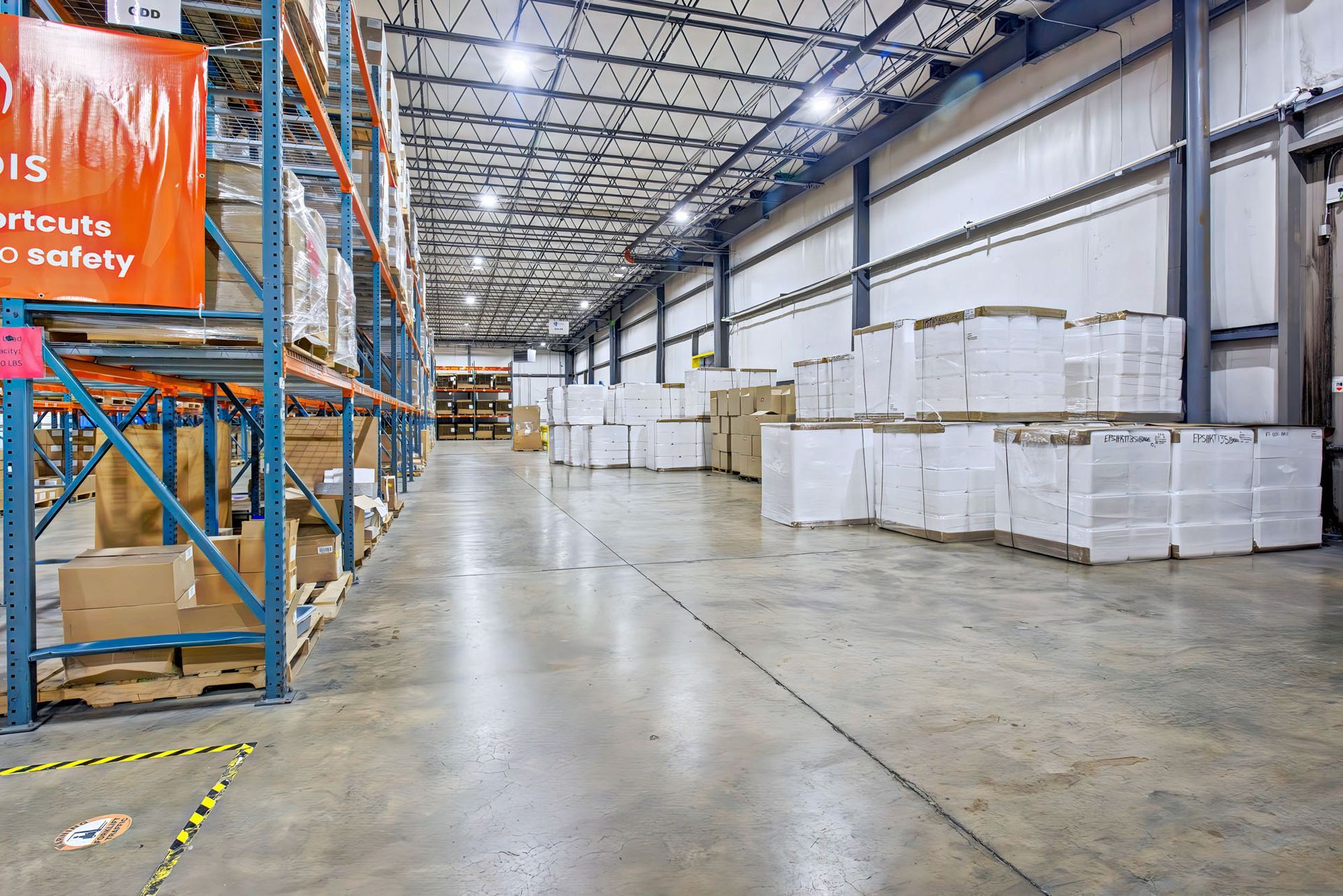
- Warehousing. Dry storage, temperature-controlled cold storage, food-grade storage, and hazmat capabilities can fall under a single warehousing strategy, supported by consistent handling rules and reporting.
- Fulfillment. Picking, packing, labeling, kitting, and value-added services become easier to manage when they follow a single standard process and a single source of truth for inventory.
- Transportation. Local, regional, and long-haul movement works best when it is planned with full awareness of inbound schedules, dock capacity, and outbound commitments.
- Returns and inventory control. Reverse flows are simpler when returned inventory feeds back into the same tracking and quality checks instead of landing in a separate system.
This is the practical promise of 3PL integration solutions: fewer handoffs, fewer logins, and fewer "we did our part" moments.
When It Is Time to Switch to an Integrated 3PL
You do not need a crisis to justify a change. Most teams switch when friction becomes the norm.
Consider moving to 3PL integration solutions if you see any of the following:
- Your inventory numbers change depending on which vendor report you open
- You spend too much time coordinating exceptions, shortages, and expedites
- Peak season requires extra vendors and extra temporary processes
- ERP or order management syncing feels like ongoing rework
- You cannot identify accountability quickly when the service breaks down
What to Look For When Vetting a Full-Service 3PL
Before you consolidate, make sure the provider can support your current needs and your next phase.
- Ask about implementation and integration. What is the onboarding timeline, who owns the project plan, and what data is required upfront? FW Logistics notes an implementation phase that begins after discovery and includes inventory protocols, inbound and outbound scheduling, and portal configuration.
- Ask how visibility works. Can you see inventory in real time, pull shipping docs, and schedule deliveries without waiting on emailed reports?
- Ask how accuracy is controlled. Look for documented quality checks and repeatable processes, not informal tribal knowledge.
- Ask how they scale. Labor planning, space flexibility, and transportation capacity should be part of the model, not an afterthought.
- Ask about accountability. Who owns performance when warehousing and transportation intersect, and how are issues tracked to closure?
- Be honest about potential downsides. Consolidation can feel like putting a lot of eggs in one basket, so confirm SLAs, reporting cadence, and escalation paths upfront.
Build a More Efficient Supply Chain With Vendor Consolidation
If your operation is tired of vendor sprawl, the goal is not just simplification. The goal is stronger supply chain efficiency through better visibility, clearer accountability, and fewer moving parts.
FW Logistics emphasizes an integrated approach from storage to transportation to delivery, supported by process-driven onboarding and ongoing optimization.
When you are ready to explore vendor consolidation, FW Logistics is a strong place to start, as the conversation can encompass warehousing, fulfillment, and transportation as a single, connected strategy rather than separate projects.